


Protein Engineering & Neurobiology Lab
Indian Institute of Technology Bombay
Welcome to the Protein Engineering & Neurobiology lab at IIT Bombay. We are a multidisciplinary group exploring various aspects of amyloids. Amyloids are protein/peptide aggregates that are associated with various human diseases and normal functions of the host organism. We investigate mechanisms of protein misfolding, aggregation, and amyloid formation associated with human neurodegenerative diseases such as Alzheimer’s, Parkinson’s, and Prions. We are also investigating the possibility of p53 amyloid formation associated with human cancers. Apart from disease-associated amyloids, we are also elucidating functional amyloid formation by various protein/peptide hormones for their storage in secretory granules in mammalian organs. We are also actively engaged in designing amyloid-based biomaterials for drug delivery and tissue engineering applications.
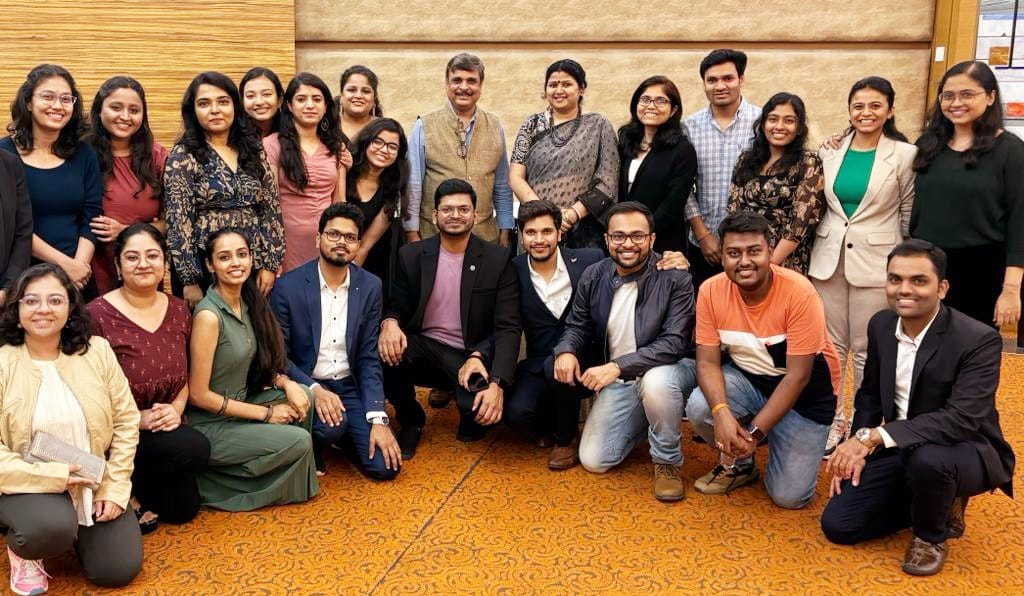
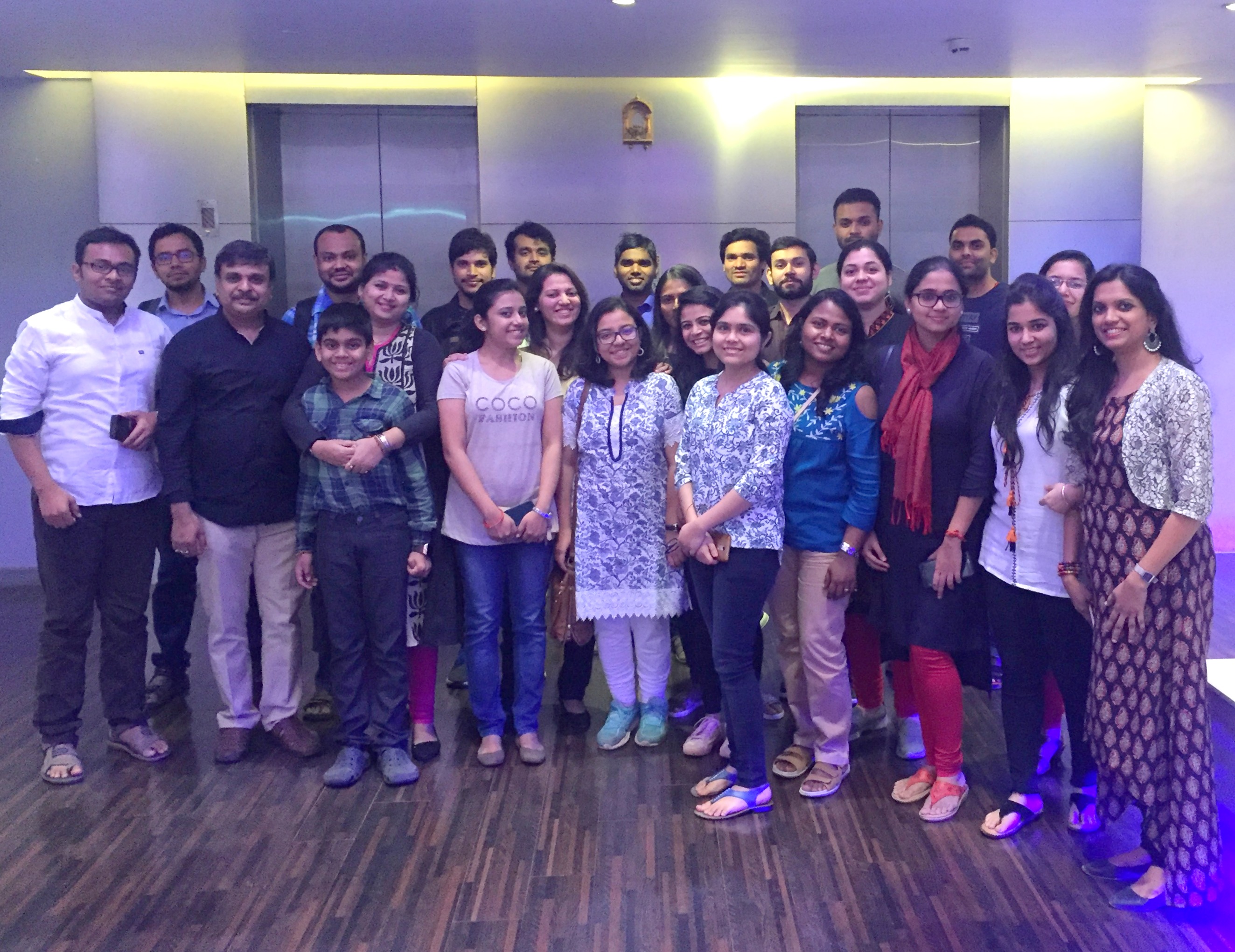
Our Research Team
Latest News

Awards & Honours
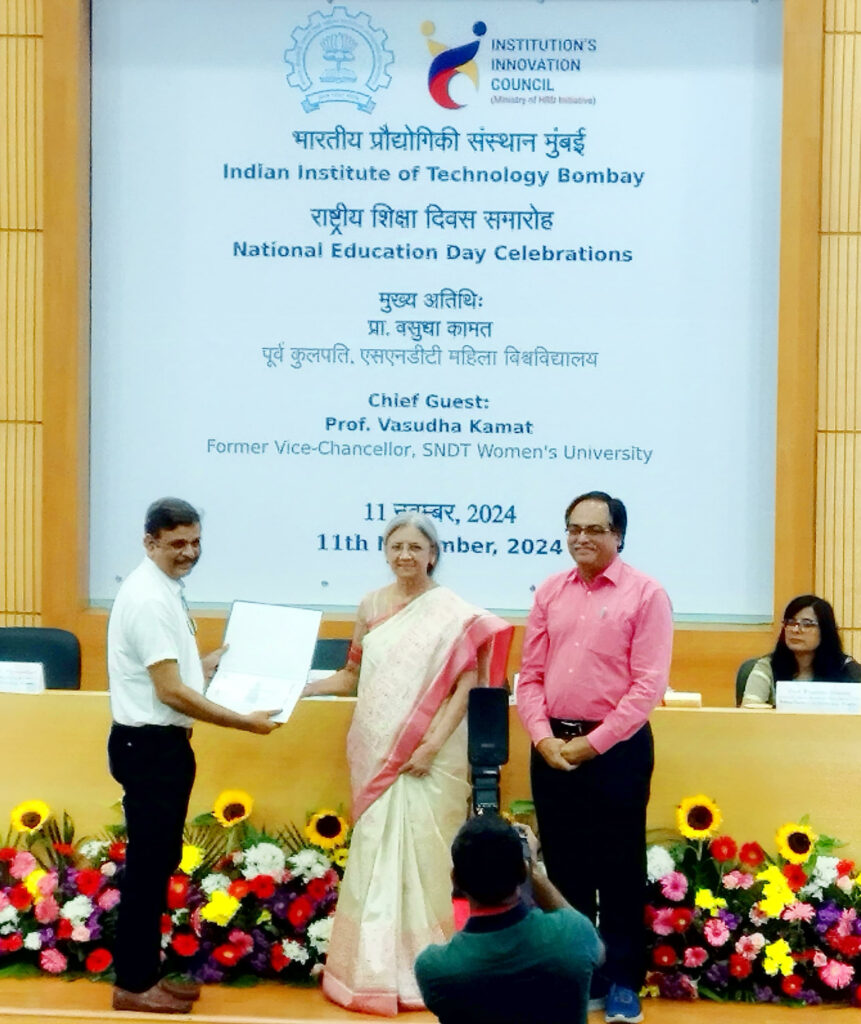
Research Publication Award
2024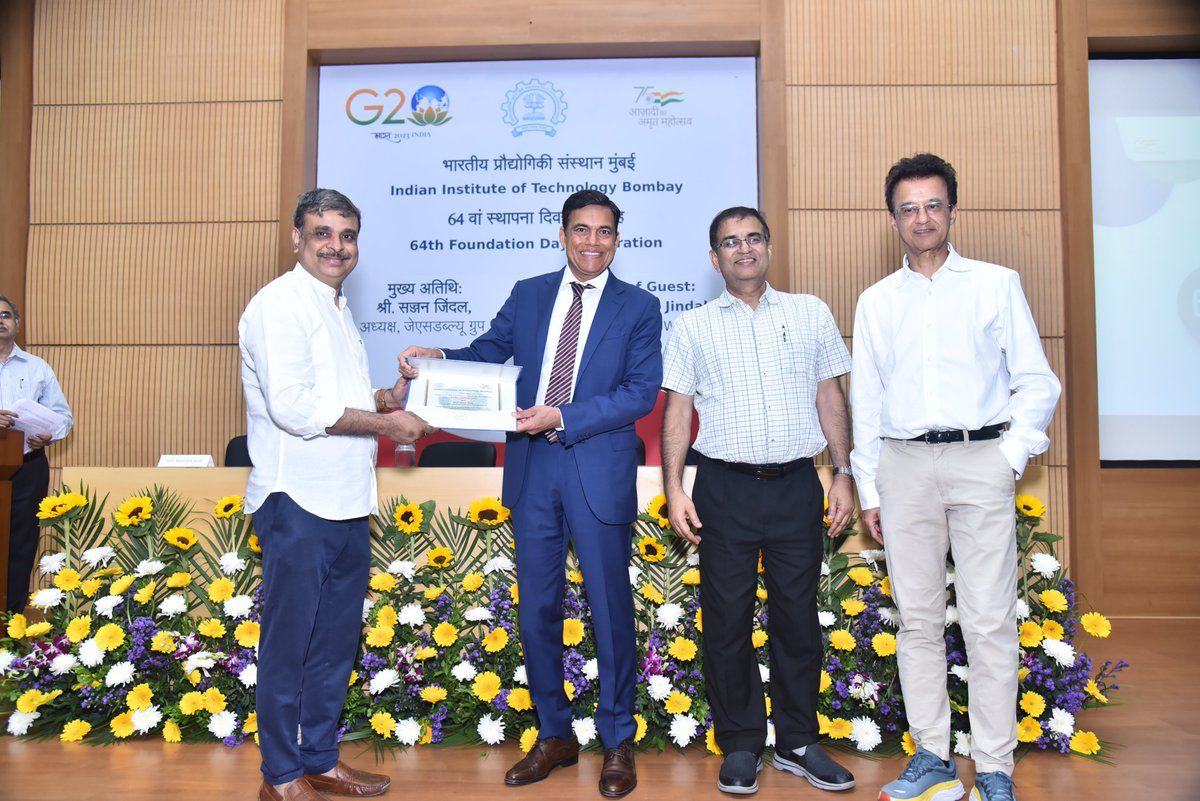
S. C. Bhattacharya Award
2023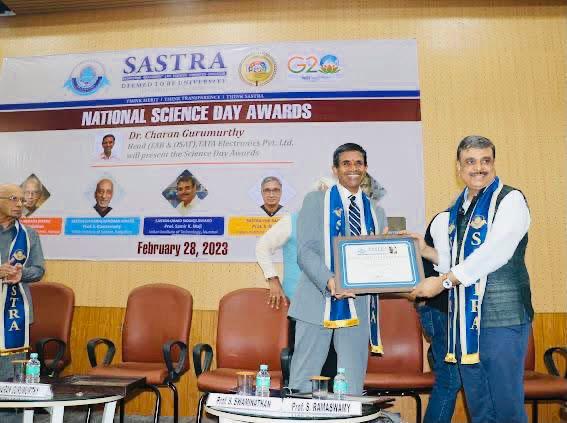
SASTRA-Obaid Siddiqi Award
2023
TATA Innovation Fellowship
DBT, Govt. of India – 2020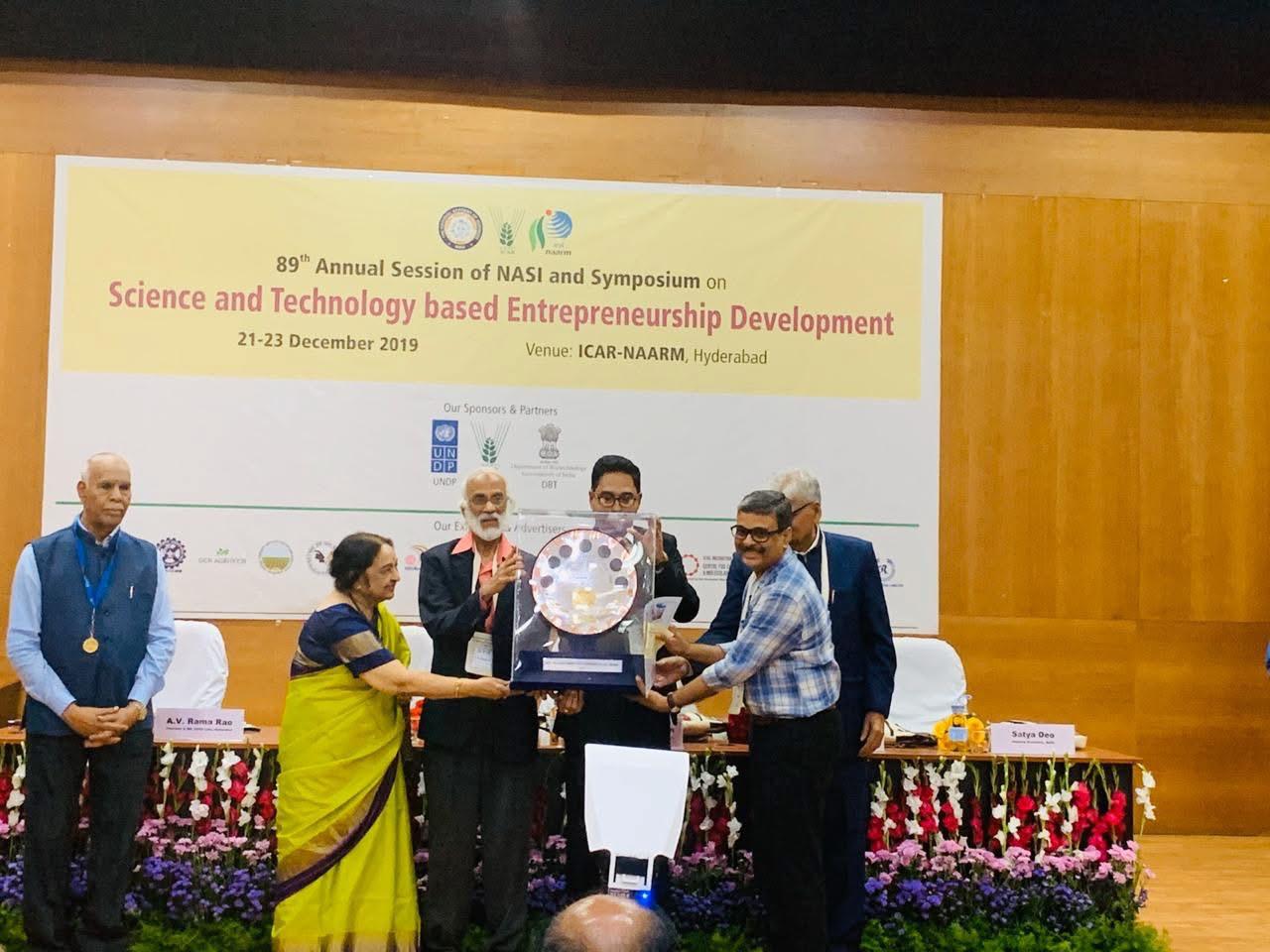
NASI-Reliance Award
2019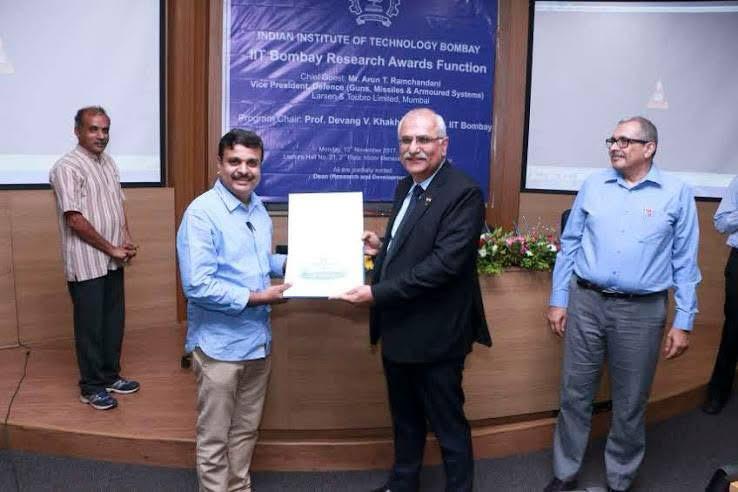
IIT Bombay Research Publication Award
2017News & Highlights

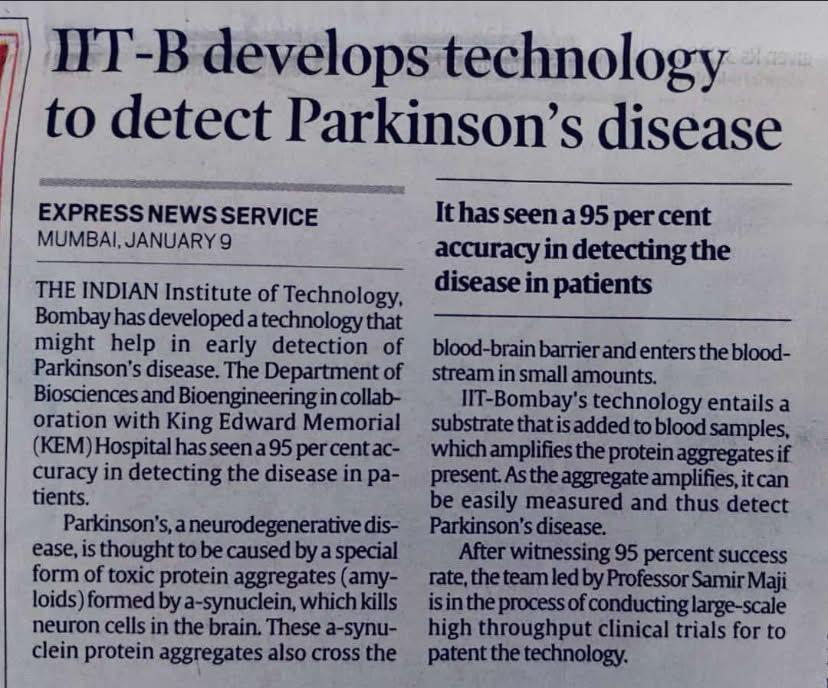
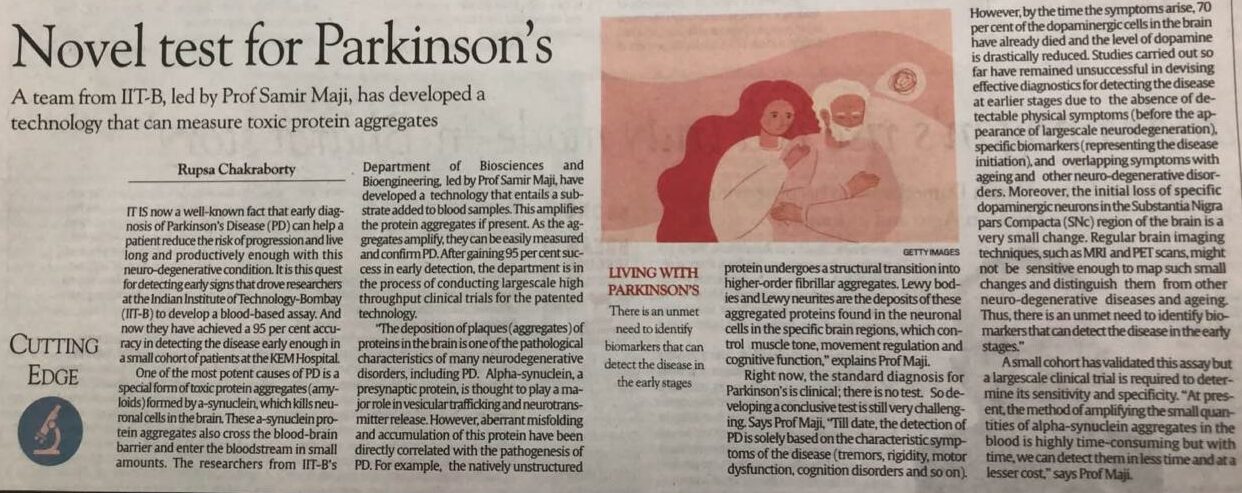
Media Coverage
Featured LinkedIn Story
What if Parkinson’s disease could be detected before symptoms even begin? By the time visible signs appear, significant neurological changes may already have started. As India’s ageing population grows, early detection of neurodegenerative diseases is emerging as one of the most critical healthcare challenges of the future.
At IIT Bombay, Prof. Samir K Maji and his team are studying the earliest molecular changes underlying Parkinson’s, Alzheimer’s, and Frontotemporal Dementia (FTD). Their work aims to shape future approaches for earlier detection, intervention, and potential blood-based diagnostics.
This vision was strengthened by a contribution from alumnus Sharad Sanghi and led to the establishment of the SCAN IITB – Sunita Sanghi Centre of Ageing and Neurodegenerative Diseases in 2022. With support from the Anusandhan National Research Foundation (ANRF), the next phase will explore how genetic and environmental factors influence disease progression.