BSBE Newsletter
From the Editorial Team
Over the past four decades, Biosciences and Bioengineering Department has grown from two separate interdisciplinary programs in Biotechnology and Biomedical Engineering into a thriving hub where biology and engineering converge to answer unsolved questions in biology and develop technological solutions for better healthcare delivery. What began as two small groups of researchers has now become a vibrant community of faculty, staff, postdocs and students. We also have a very strong alumni network today.
In this edition, we look back at where we started and celebrate how far we’ve come. We reached out to our faculty, staff and alumni to gather their reflections and stories, and we invite you to enjoy photographs that capture BSBE’s journey over the years.
Anjali Raghunathan
Roshani Kokate
Debjani Paul
Swati Patankar
Evolution of the BSBE Department
M. Sc.(Biotechnology) program offered
M. Tech. (Biomedical Engineering) program offered
Biotechnology group moves to the old BSBE building
Biomedical Engineering and Biotechnology groups come together as a new school
The school becomes a department
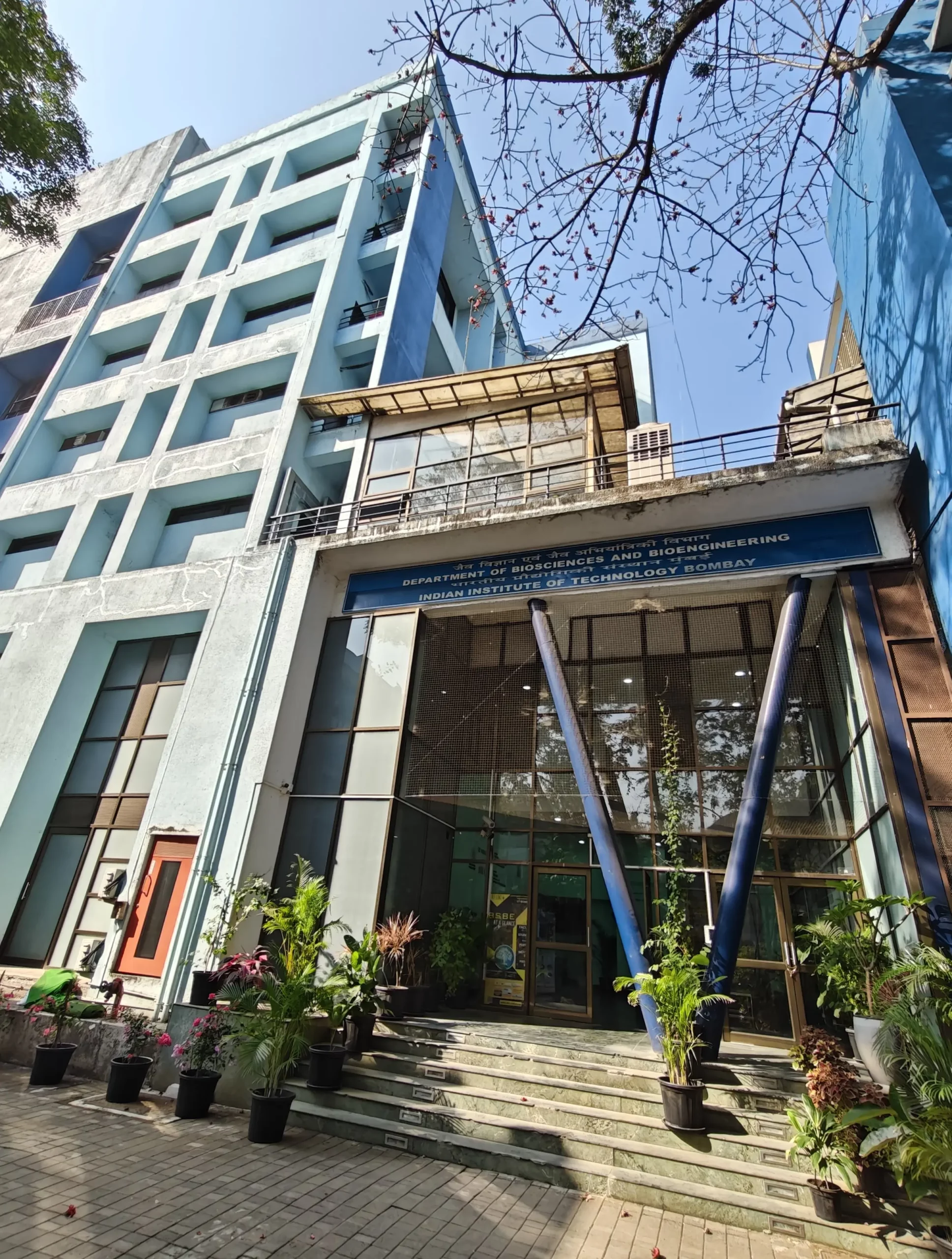
The present BSBE building is inaugurated
Looking forward to the newest landmark: the BSBE Annexe building
Building a Department from scratch: A conversation with Narayan S. Punekar
Narayan S. Punekar is one of the founding faculty members of the Department of Biosciences and Bioengineering (BSBE) at IIT Bombay. He joined the institute in October 1988 — at a time when biology barely had a foothold at any IIT — and spent over three decades helping shape the department from a small, informal group into a thriving academic unit. His journey is inseparable from the department’s own story.
When he arrived at IIT Bombay in 1988, the idea of a biology department at an IIT was genuinely novel. “IITs were not known for biology at all,” he recalls. “Math, chemistry, and physics were there mostly in service of the JEE entrants, but there was hardly any biology.” The vision, championed by administrators, Arvind Kudchadker (Dy. Director) and Biswajit Nag (Director), was bold: to bring life sciences to one of India’s premier engineering institutions.
Punekar and K.K. Rao were the first two faculty members recruited specifically as biologists, joining a small biotechnology group administered by the Chemistry Department. The conditions were pioneering, but so was the spirit. “Any time you start a new activity like this, there will be hiccups,” says Narayan S. Punekar, “and that’s exactly what happened.” Rather than being deterred, the founding faculty used every challenge as an opportunity to build something lasting.
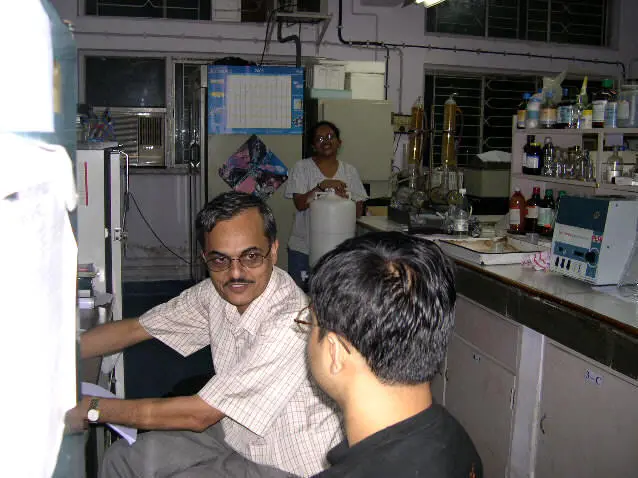 Punekar lab around 2005
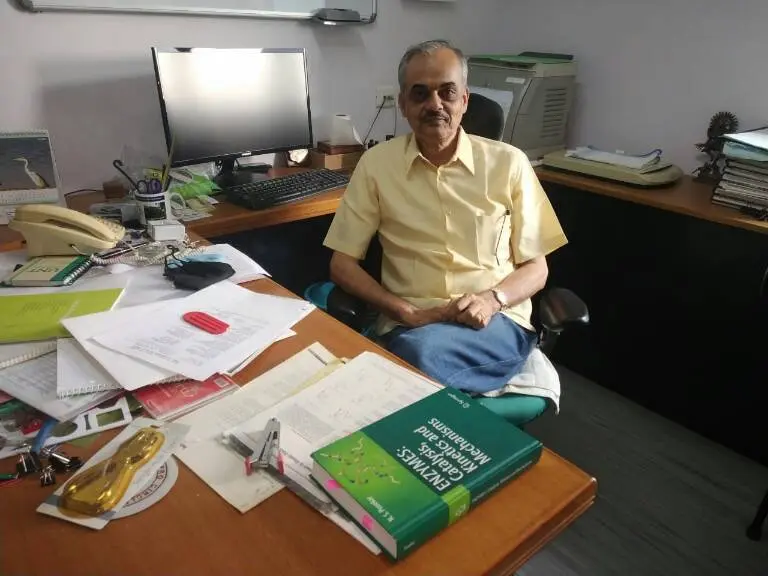
One of the most significant early achievements was establishing the right to take PhD students independently. “In the IIT system, the day you join, you are a guide,” Punekar explains. “But for us, there was no avenue to take a student as we were under the umbrella of the Chemistry department.” Over roughly four years, the founding faculty worked diligently to ensure that their academic and administrative affairs became independent, a foundational step that made everything easier for every colleague who followed. “Faculty who joined later, from 1993–94 onwards — it was easy for them, because we had already set things in place.”
Another milestone was faculty recruitment. When the time came to expand the group, Punekar and his colleagues took an unusually forward-looking step: they placed the faculty advertisement in an international journal. This was a first in the history of IIT Bombay — not just in biology, but across the entire institute. The response was overwhelming, with hundreds of applications. G. Subrahmanyam and P.J. Bhat were among the first to join through this process, marking the beginning of a new era.
The Biotechnology Center was the most democratic group on campus. Every faculty, whether fresh or senior, had an equal role — and that really made sure we had excellent growth.
-Narayan Punekar
By the mid-1990s, the group had grown into the Biotechnology Center, formally recognized by the institute around 1996. What distinguished the Biotechnology Center was not just its academic output, but its culture. Punekar describes it with evident pride, “We grew as a very cohesive group. We did not put individuals as the objective. We put the group as the objective.” Funding was collectively decided, recruitments were done jointly, and every faculty member, regardless of seniority, had an equal voice.
The group was deliberate in its scientific focus, concentrating on molecular and microbial biology, a strategic choice that enabled six or seven faculty members to build real depth and critical mass in a defined area. This intentional cohesion, Punekar believes, is what allowed the Biotechnology Center to thrive and earn recognition. “We were, I think, the most democratic group on campus,” he says. This is a legacy he hopes continues to define the department today.
In 2001, the institute brought together two parallel units, the Biotechnology Center and the Biomedical Engineering Group, to form the School of Biosciences and Bioengineering, which then became a full-fledged department in 2009. Each transition represented years of effort by faculty, heads, and administrators who believed in the vision. Punekar credits K.K. Rao, Dulal Panda, and many colleagues for shepherding these changes through the complex processes of institute governance.
Perhaps the most tangible symbol of the department’s arrival was its move into a dedicated building, inaugurated by Dr. A.P.J. Abdul Kalam in 2013 — a moment Punekar identifies as a genuine landmark. He played a direct role, as head of the department at the time, in ensuring that the entire building was allocated to BSBE. Today, the department continues to grow, with a new annex building under construction.
Reflecting on the transformation, Punekar is struck by how dramatically the conditions for research and teaching have improved. When he and K.K. Rao joined in 1988, their grant was ₹30,000 — enough to buy a couple of refrigerators. Today, a new faculty member at IIT Bombay receives a seed grant that is orders of magnitude larger. “There is a huge difference,” he says with a smile. Infrastructure, funding, equipment, and institutional support have all grown enormously.
He also notes that attitudes toward biology across the institute shifted over the years, from initial skepticism to genuine appreciation. Part of this change came from the department’s own visible success, and part came from broader global recognition of the importance of biotechnology and life sciences. And part of it, he notes with warmth, came from something quite personal: “Some of the senior engineering faculty’s children went into biology, which led to a change in their minds.”
The year we had our own building where everyone was housed together was a benchmark. That was a very important legacy
-Narayan Punekar
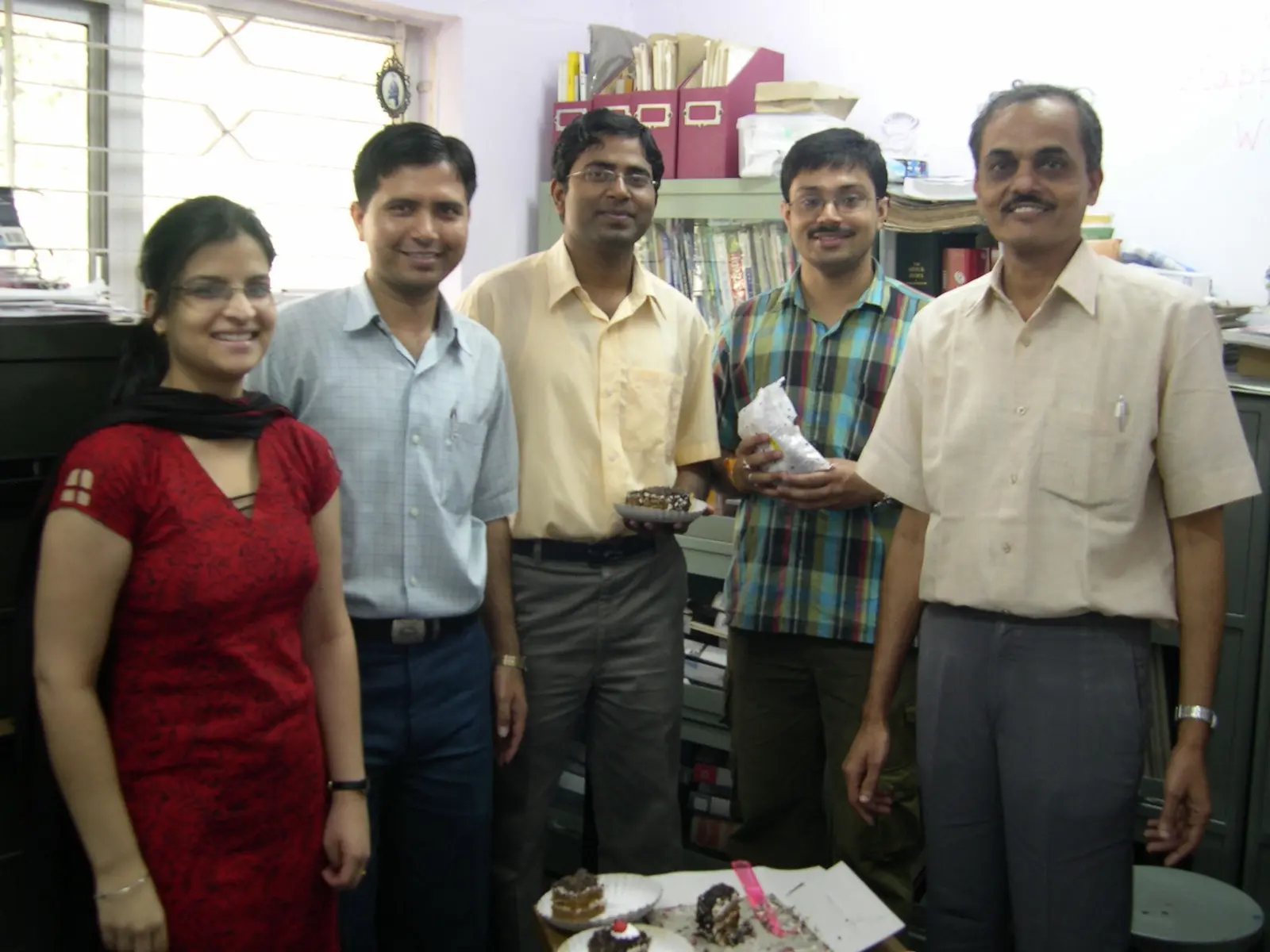 Punekar with his students
While celebrating the department’s growth in research visibility and faculty strength, Punekar also offers a thoughtful reflection on something he feels deserves renewed attention: teaching. “When we joined, it was very clear that one of our major objectives and part of the job description, was to teach. Teaching was our base on which you built,” he says. In those early years, the founding faculty taught broadly across many courses, and he believes that breadth was fundamental to the department’s identity.
Over time, as the emphasis on research metrics has grown across academia, Punekar worries that the balance has shifted. “Biology is an information-rich science,” he explains. “To teach it well, you need to have a broad-based preparation — you cannot be just a molecular biologist, biophysicist, immunologist or just a microbiologist. You need to know many things.” He is not dismissive of research ambition, but urges the department to remember that deep, committed teaching (that includes teaching how to do research!) is what produces the next generation of scientists who can do meaningful research in the first place.
On the question of research group sizes, he is equally candid. With the number of students per faculty lab growing steadily, he cautions that the quality of mentorship risks being diluted. “If you have fifteen or twenty students in a lab, how are you going to spend quality time with each one? How are you going to mentor them? How will you emphasize research ethics?” His view is that meaningful research training, particularly in a field as hands-on and patient as biology, requires genuine one-on-one engagement between guide and student. A smaller, well-mentored group, he argues, will always produce better science than a large, thinly supervised one. “Good quality time in both teaching and research — that is extremely important,” he says. “Both. Not one or the other.”
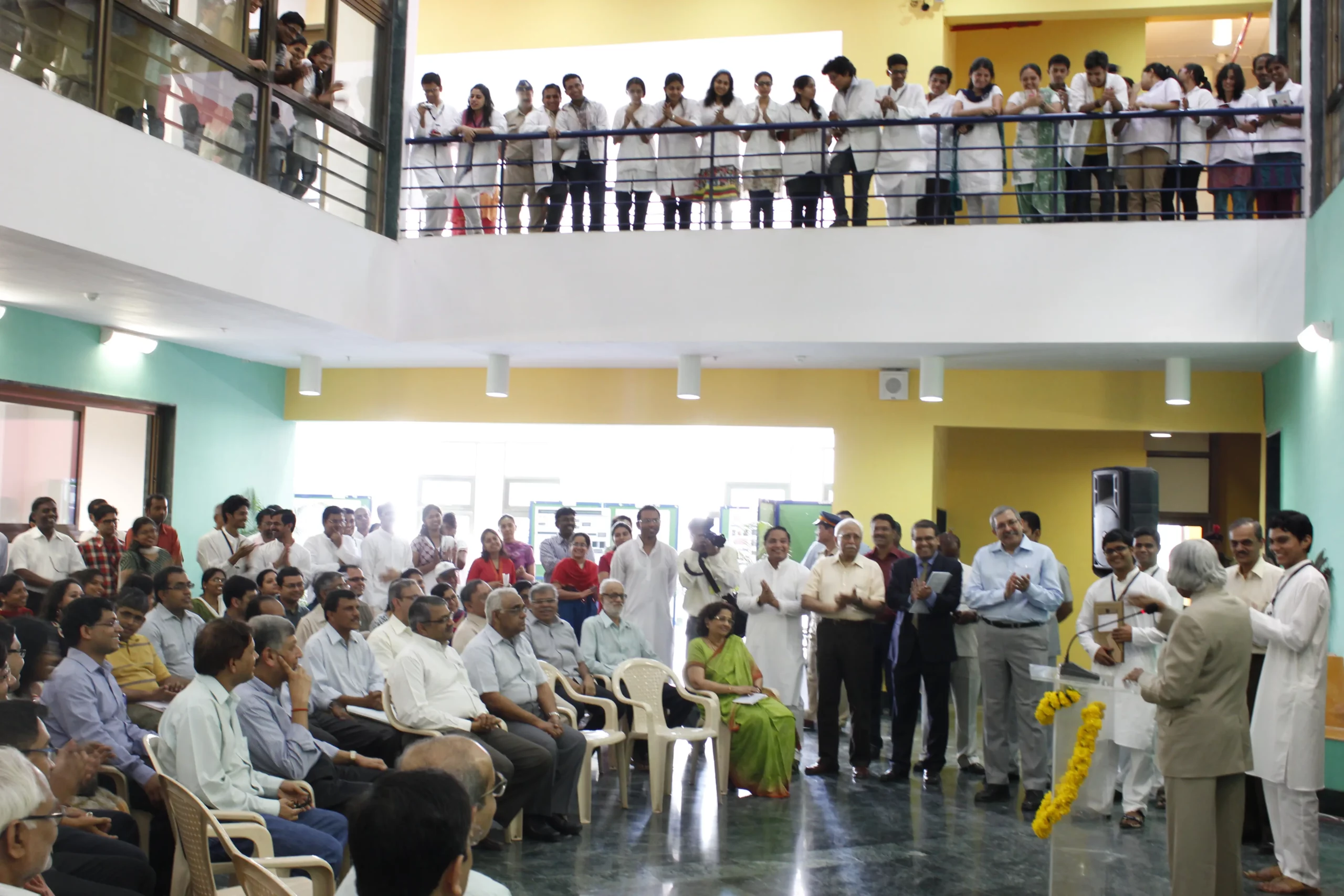 BSBE dept building inauguration by Dr Kalam
Asked what he hopes for the department’s future, Punekar is emphatic: “I want the department to do well by its own strengths.” He envisions a BSBE where faculty invest deeply in both teaching and research, where the early culture of democratic collaboration is preserved and built upon, and where the department continues to distinguish itself through cohesion and quality.
His parting words carry the weight of someone who has watched an idea grow into an institution. “There is not so much of a limitation now compared to when it started. Now, everything is set up for a faculty member — on day one, you join, you can get going in both teaching and research. I wish them all the best.”
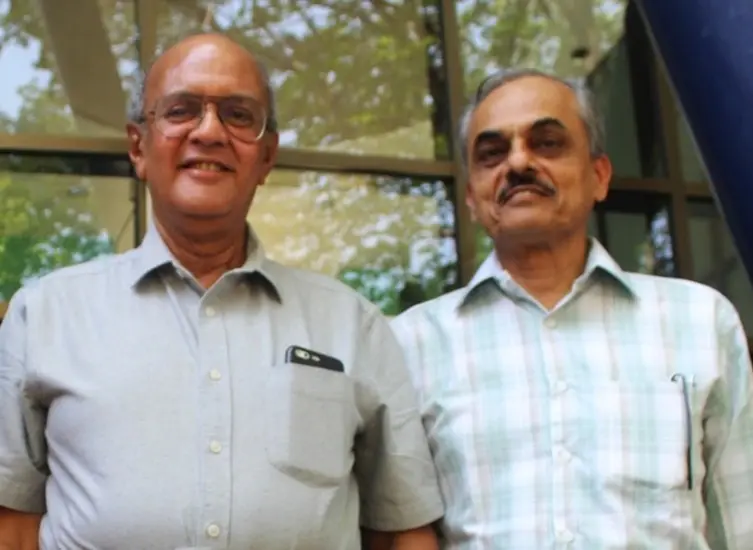 K.K. Rao and Punekar
From the School of Biomedical Engineering to the Department of Biosciences and Bioengineering: Ram Punyani and Suresh Devasahayam
Suresh Devasahayam joined what was then the Interdisciplinary Program (IDP) in Biomedical Engineering in 1990, following his PhD and a brief postdoctoral stint. Having completed his PhD in Bioengineering, he sought opportunities in India to build the fledgling discipline of Biomedical Engineering. The IDP had been started recently, in 1988, he thinks, and it was a great place to join.
Subir Kar of Mechanical Engineering headed the IDP, and the only full-time faculty member at the time was Ram Puniyani. But there were several people deeply involved from across disciplines — Prem Pandey from Electrical Engineering, Rajini Joshi and Purshotam Chaturani from Mathematics, S. Arunkumar from Computer Science, A.S. Mahajan from Physics, S.V. Bhatt from Chemistry, and P. Basu from Chemical Engineering — which made it a truly multidisciplinary program.
The IDP aimed at providing an integrated postgraduate program for graduates of engineering, medicine, and science. This took the pioneering efforts at IIT Madras and IIT Delhi further and much more ambitiously. Rohit Manchanda joined shortly after Devasahayam. Then, Sanjay Parikh joined as a part-time faculty member, having decided to spend most of his time in industry. Incidentally, Sanjay Parikh was an IITB alumnus, having done his B.Tech. in Electrical Engineering.
Bioengineering is a subject where the fundamentals of human health and some of the problems which have not been addressed because of the limitations of medical sciences, can be taken forward.
-Ram Puniyani
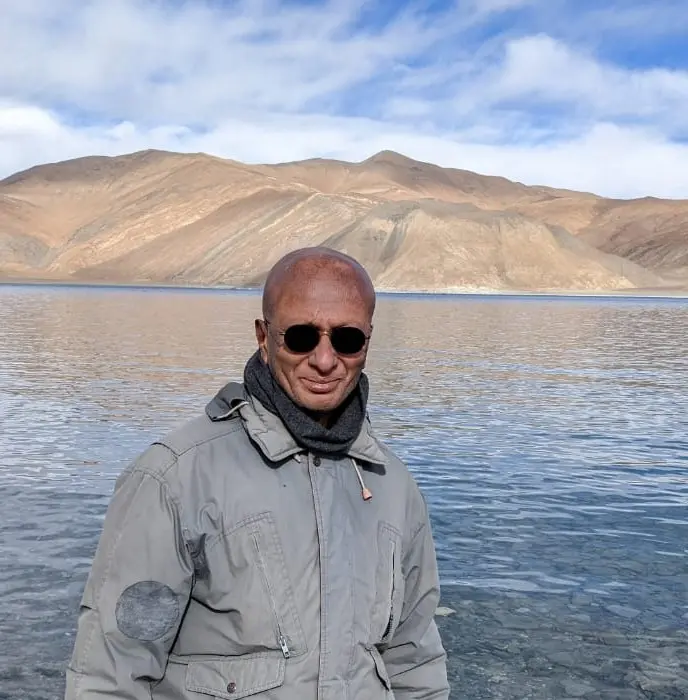 Suresh Devasahayam
All of them were trained in human physiology, and the analytical tools they used included signal processing and mathematical models. The vision was that deep domain knowledge in human physiology, combined with instrumentation and mathematical analysis, could substantially improve healthcare. This was reflected in the core curriculum — all students were expected to acquire competence in Physiology, Mathematics, and Medical Instrumentation.
One initiative Devasahayam remembers fondly is BIOMEET. To admit medical graduates to the Master’s program, an equivalent to GATE was required for selection and for the stipend disbursed by the Ministry (MHRD). BIOMEET was the answer — MBBS graduates had to write an exam with sections on Anatomy, Physiology, Biochemistry, and Pathology to test their medical knowledge, along with one section on Mathematics. It was administered on the same day and at the same centres as GATE, always by IIT Bombay. IIT Delhi and, to a smaller extent, IIT Madras also used it for some of their selections. Unfortunately, BIOMEET was discontinued after about eight years because the GATE office felt it was too small — only 200 to 500 candidates took it every year — and not worth the trouble.
BIOMEET remains a memorable initiative, reflecting the department’s commitment to opening doors for medical graduates and strengthening the interdisciplinary spirit of Biomedical Engineering.
Setting up the teaching and research labs required some struggle, as the usual constraints of space and money had to be tackled. But he recalls a remarkable camaraderie among the faculty, where it was easy to direct students to a particular department, point them to a specific professor, and have them use their labs.
Perhaps the most significant challenge, he reflects, was the isolation from medical institutions and basic science labs. He remembers visiting hospitals in Bombay with Rohit Manchanda to speak with people they could collaborate with. They managed a few MTech projects jointly supervised or examined by doctors from the All India Institute for Physical Medicine and Rehabilitation, Bombay Hospital, and KEM Hospital. Rohit Manchanda, Sanjay Parikh, and Devasahayam were all keen to conduct animal experiments, but it was not easy at IIT. Curiously, all three had an interest in muscle physiology — Manchanda in smooth muscle, Parikh in cardiac muscle, and Devasahayam in skeletal muscle. A remarkable coincidence, he notes.
Mixing graduates from engineering, medicine, and science backgrounds was both a delight and a challenge, he recalls. The curriculum was designed to foster a common understanding of healthcare issues, though planning career paths proved more difficult. But there were signs that things were being done right. He remembers one student who had an MBBS degree, completed an MTech in Biomedical Engineering, returned to medicine, and obtained an MD in Radiology. The student came back one day to discuss modelling the uptake of contrast agents in organs using systems theory — transfer functions in particular — in Radiodiagnosis. There are other similarly pleasing stories, he says.
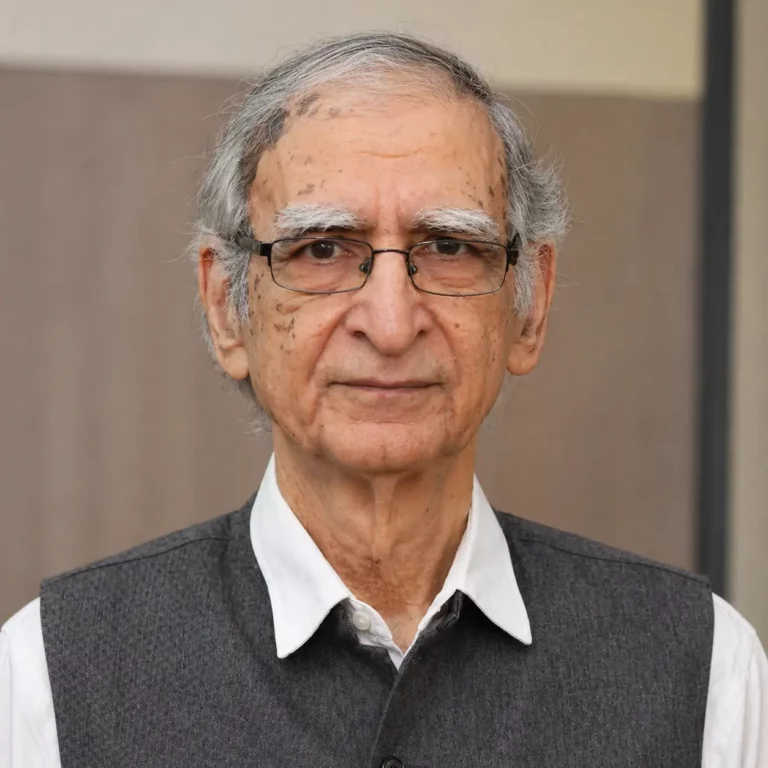 Ram Puniyani
Structurally and functionally, the department has grown much more than when I left.
-Ram Puniyani
There is much that Devasahayam misses about the campus of the 1990s — not just at IIT Bombay, but at places like IISc Bangalore as well. Everyone walked from home to the department, or at most bicycled. This meant that if one spotted someone to consult about a research problem or discuss a student, the conversation happened on the road. He misses the pleasure of walking those paths, visiting Vihar Lake, which had free access, and the quiet of the mornings, which he found genuinely refreshing. Both Puniyani and Devasahayam remember the IIT Bombay campus of the late 1980s and 1990s with warmth. The tempo of life was quieter and, in many ways, more collegial than what followed.
Around 2000, the Interdisciplinary Program in Biomedical Engineering merged with the Biotechnology Center to form the School of Biosciences and Bioengineering. This structural change marked the beginning of a new institutional identity — one that would eventually become the Department of Biosciences and Bioengineering (BSBE) as it exists today.
For Ram Puniyani, this evolution is a source of pride. He observes that when he was at the institute, biology and biomedical work were often seen as peripheral. Now it is among the main listings, which is heartening. He sees the recognition of genetics and biosciences as particularly healthy and believes the department has grown structurally and functionally well beyond what it was in his time.
Devasahayam went on sabbatical in 2001 and subsequently moved to a medical college environment, leaving IIT Bombay in 2002. He describes those years at the School, however, as among the most formative and fulfilling of his career. The two founding figures of the School have continued, in very different ways, to embody the values the program stood for.
Puniyani, after leaving IIT Bombay, channeled his energy into social and historical work — writing weekly articles, delivering lectures. He continues to mentor young people and social workers informally. He maintains quiet connections with the department, staying in touch with former colleague Rohit Manchanda and occasionally advising researchers in his field. He remembers with particular warmth his research scholar and former faculty member of the department, the late Rinti Banerjee, whom he describes as a brilliant mind, and who sadly passed away due to COVID. Devasahayam, for his part, carried the same integrative instinct he had pursued at IIT into a medical college environment. He remains a thoughtful voice on the discipline, its history and ambitions.
Devasahayam and Puniyani’s pioneering efforts and vision helped shape Biomedical Engineering at IIT Bombay. Their legacy continues to inspire BSBE as we combine biosciences and engineering to grow into new frontiers of healthcare.
 Prem Pandey (Electrical Engg.) and P. Chaturani (Mathematics Dept)
Without commitment to the betterment of society, those things can come up. Even in professional life, if you are committed to society, you can deliver better.
-Ram Puniyani
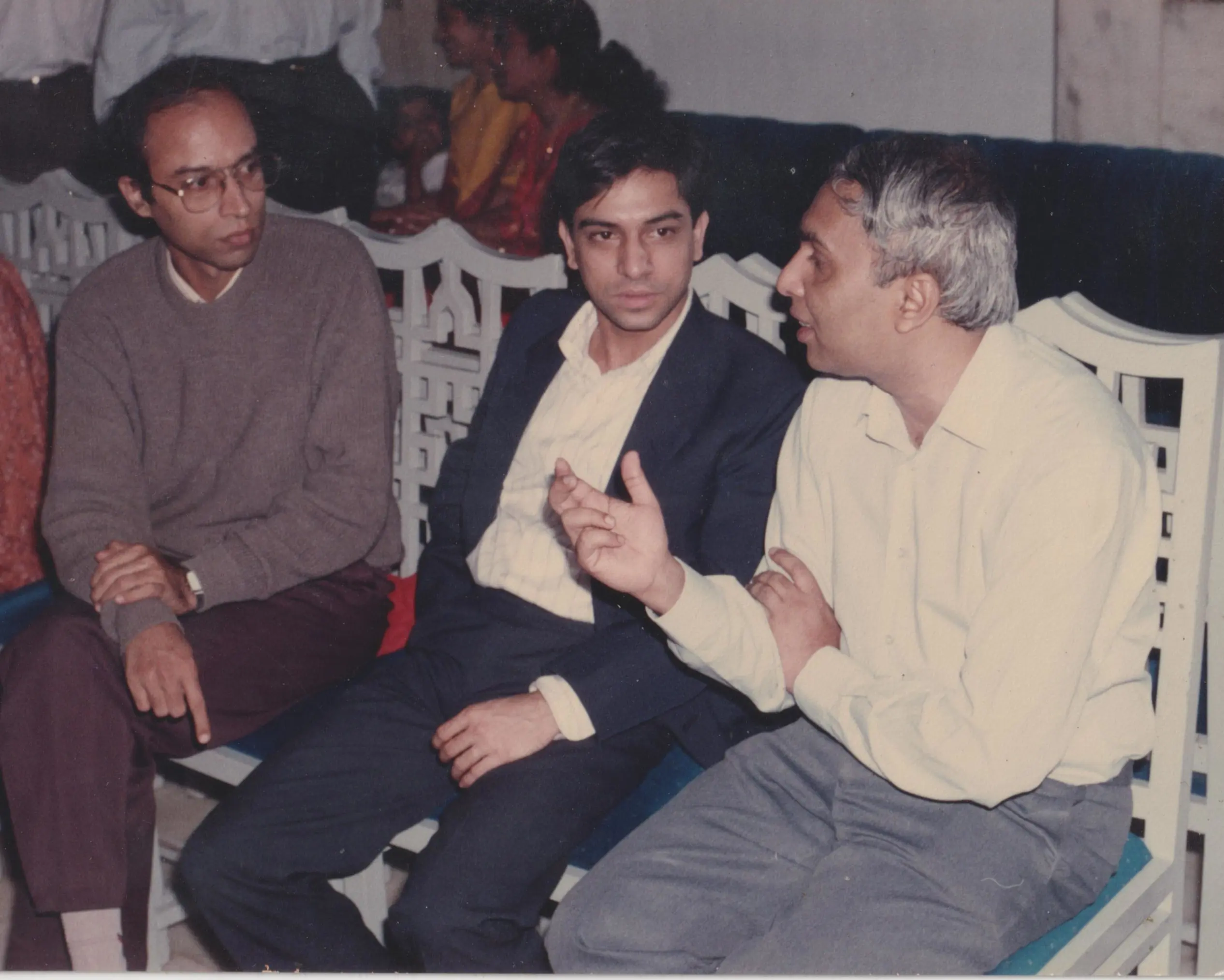 Kannan Moudgalya (Chemical Dept), Rohit Manchanda and Rakesh Lal (Electrical Dept)
From a 15-feet lab to a six-storey legacy: V.V. Sai’s (PhD ‘09, IIT Bombay) memories of the Biomedical Engineering program
When V. V. Raghavendra Sai arrived at IIT Bombay in 2003, biomedical engineering in India was still finding its footing. He had an instrumentation background, a year of teaching experience in Visakhapatnam, and an appetite for interdisciplinary research; he enrolled directly in the PhD program in IIT Bombay — a bold move that would shape the next two decades of his career. Today, he is a faculty member at IIT Madras, where he leads research in clinical diagnostic devices.
V. V. Raghavendra Sai graduated in Electronics and Instrumentation in 2002 and spent a year teaching before deciding to pursue a PhD. His choice of biomedical engineering at IIT Bombay was deliberate. What sealed the deal was IIT Bombay’s visibility: the biomedical engineering program was prominently listed and easy to find, unlike at other institutions, where it was less apparent.
He chose the direct PhD route at a time when most of his peers opted for an MTech. IIT Bombay had just taken what he calls “a very bold and great decision”, encouraging newly-graduated students to pursue PhD directly without a master’s degree.
“The idea was more important than the facilities. With minimal equipment, we established very important sensing strategies at IIT Bombay,” says Sai, talking about those early days.
V. V. Raghavendra Sai’s PhD lab was a 15-by-8-foot room in the Annex Building of IIT Bombay’s Electrical Engineering department, then home to the Advanced Center for Research in Electronics (ACRE). He was among a small group: two PhD students and two MTech students, all focused on BioMEMS research under the guidance of Soumyo Mukherji.
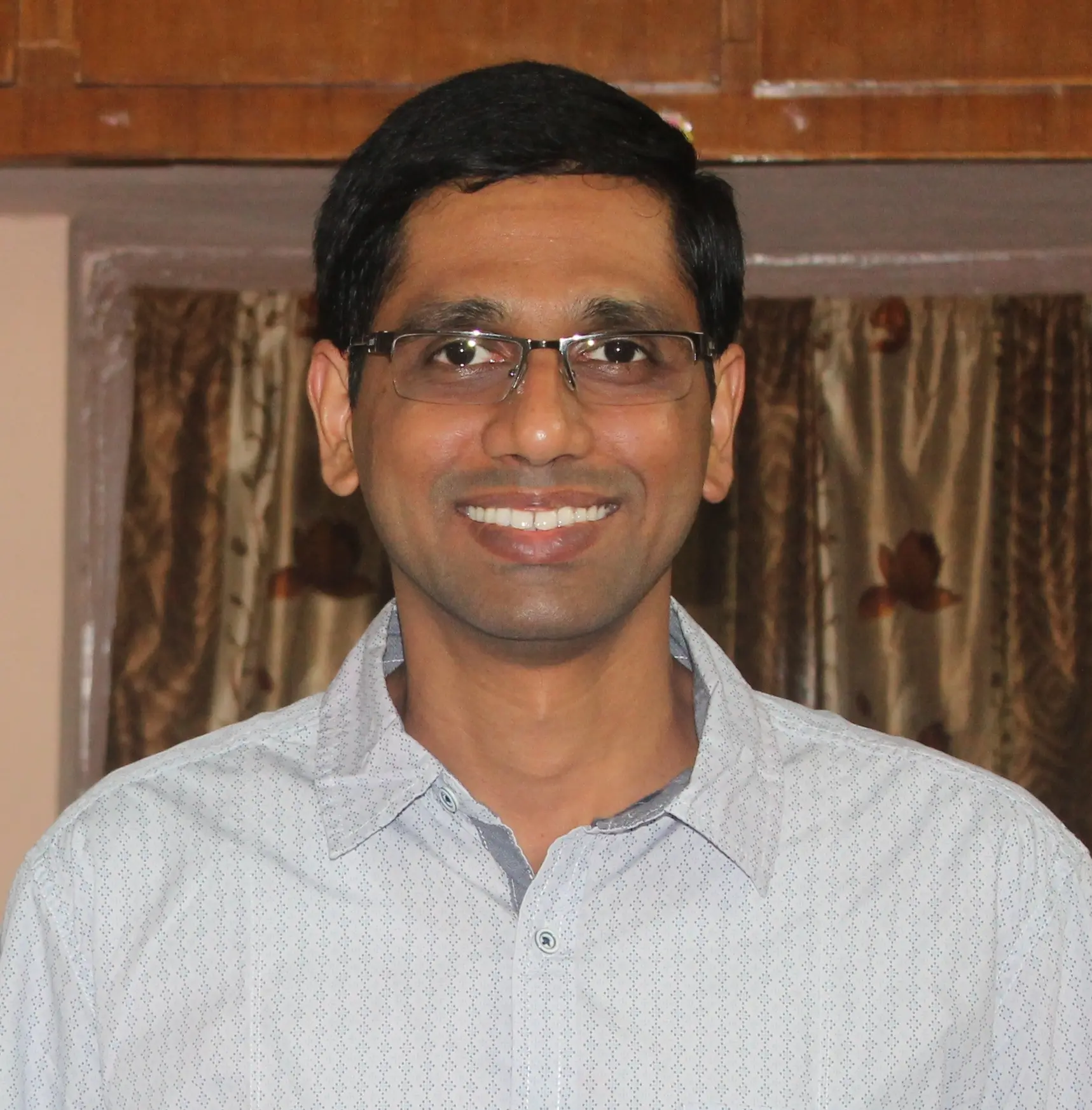
The research ecosystem at that time was also shaped by a broader national context. Academic research in India benefitted from the economic liberalization in 1991, with the ripple effects visible in laboratory funding by the late 1990s. “I was fortunate to get into this field with good funding,” he notes. “That early foundation put us on a path to cutting-edge, world-class research within a decade.”
The contrast between then and now is striking. Sai has visited IIT Bombay several times since graduating — including visits to the department’s new six-storey building, which replaced the cramped quarters of his student days. “It was really an excellent feeling. Now it has much more infrastructure,” he says.
Beyond buildings, the transformation extends to research output, student numbers, and project funding. Publications have grown significantly. The PhD program has attracted far larger numbers of applicants. The school — now the Department of Biosciences and Bioengineering — he says has grown into a truly interdisciplinary space where scientists and engineers work side by side.
The transformation in facilities, from modest beginnings to a modern research hub, reflects the department’s commitment to providing scholars with the environment they need to innovate.
He credits this fusion model as a key strength: during his PhD, he relied heavily on colleagues from the biosciences side to understand biomolecule handling and assay design. “Without them, I would have found it very difficult,” he says.
At IIT Madras, V. V. Raghavendra Sai has witnessed a parallel institutional evolution. Biomedical engineering has roots there going back to the 1950s, embedded within the Department of Applied Mechanics. Since 2013, a dedicated group of about ten faculty members has been working exclusively in the area. The latest milestone is: the launch of a BTech program in Instrumentation and Biomedical Engineering (IBME) — a recognition that the field deserves dedicated undergraduate-level attention from day one.
He sees a structural difference between the two IITs worth noting: IIT Bombay’s department brings together engineering and bioscience faculty into a single, connected unit, while IIT Madras strengthens both biotechnology and bioengineering through separate dedicated departments. Sai feels that for his research — clinical diagnostic device development — proximity to biological scientists is invaluable.
Sai’s warmest memories of IIT Bombay are not confined to the lab. Powai Lake, the guest house staircase, the walk from Jalvihar to the Durga and Kali temples, and especially the hilltop — these were the places where he and his friends from other labs would unwind. “Sometimes, once I was a little sure that I was going to get my PhD, I used to go to the hilltop and really enjoy the weather there with my friends.” It is a reminder that great research happens not just in labs, but in communities.
The growth of BSBE, from cramped labs to a thriving department, is mirrored in the success of its alumni — a legacy we celebrate.
When asked what message he would leave for BSBE, Sai’s answer is the same one he gave at the alumni meet in January 2025, and the same one he carries with him daily:
“Our future is bright — but we have to be competent enough to make it bright, and to keep it bright.”
It is a statement of confidence in what this department has built, paired with a quiet insistence that the work of building it is never truly finished.
Biomedical engineering, being an interdisciplinary program, has a very good future — the work will be challenging as well as motivating
- V. V. Raghavendra Sai
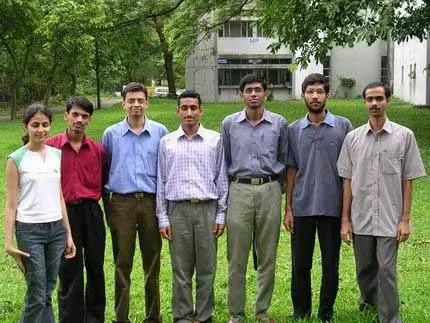 V. V. Raghavendra Sai with his batchmates
Ronak Patel (PhD ‘08, IIT Bombay) on computational biology
Back in the early 2000s, research opportunities in India were limited. For Ronak, pursuing a PhD was always the plan, but the path was straightforward: apply, interview, and wait for the next cycle if not selected. What he did not anticipate was working at the intersection of biology and computation, at a time and place where this combination was poised to be part of the biology of the future.
At that time, bioinformatics was still an emerging field. Few institutes had the faculty, training, or infrastructure to support such work. IIT Bombay’s strong computing culture, and the training he received in PV Balaji’s lab, gave Ronak the programming skills he needed. BSBE provided the right environment to explore this new frontier. Looking back, BSBE was the right place at the right time.
A typical PhD day for Ronak began with a rushed breakfast at the hostel mess, followed by long hours in the lab filled with experiments, reading, and seminars. Afternoons were spent on research, while evenings brought hostel gossip, campus walks, and late nights in the computer lab. Campus life was full of escapes from the PhD bubble — food runs to Harish near Y-Gate or Laxmi near the Main Gate, hostel parties, and even waiting for Domino’s pizza deliveries to arrive late so they could be free. The Mumbai rains brought their own adventures, like enjoying lunch in Hostel 1 while standing in floodwater.
There were defining academic moments too. One of Ronak’s projects initially lacked funding, but a government-led collaboration with TCS provided the computational infrastructure needed. That incident became a reminder of how paths often unfold beyond individual control.
Today Ronak is the Founder and CSO of Nucleati, a company that “harnesses computers and AI to revolutionize evidence-based medicine and genomics”. The lessons from BSBE — patience, persistence, and presentation skills — proved invaluable when Ronak began building Nucleati. Seeds of entrepreneurial thinking were planted through industry-academia events and meetups, where biotech PhD students stood out among management peers. Today, research remains as exciting as it was then, though now it comes with the added responsibility of making a living.
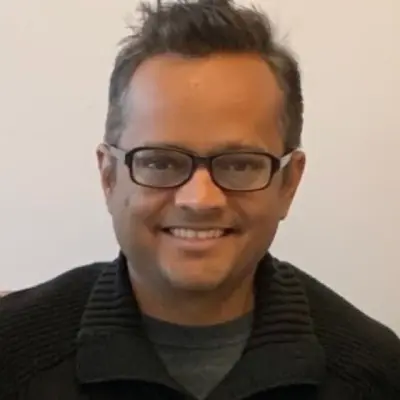
What stands out most in Ronak’s journey is not just the science, but the friends, food, festivals, and adventures that made IIT Bombay a world of its own. BSBE was where lifelong partnerships were formed, where campus life blended seamlessly with academic rigor, and where the foundation for future entrepreneurship was laid.
Ronak’s PhD journey at BSBE, blending biology with computation, laid the foundation for his pioneering work in genomics and AI. His story reflects how the department nurtures innovation that extends far beyond academia.
A home away from home: Sukhada Kulkarni reflects on three decades with BSBE
Sukhada Kulkarni — fondly known to everyone as Mrs. Kulkarni — spent more than thirty years at IIT Bombay, building a life within the corridors of what is today the Department of Biosciences and Bioengineering (BSBE).
She first joined the institute in 1989 as a Senior Laboratory Assistant in the Advanced Center for Research in Electronics (ACRE) department. A few years later, when the Biotechnology Center was established, she moved there, beginning her journey in the undergraduate laboratory. Her early responsibilities included preparing materials for students and supporting faculty in their teaching. Soon, she was asked to help in the office, which at that time was a small space with only one staff member. Within a couple of years, she transitioned fully into administration — a change that was challenging at first, but one she grew to love.
She credits previous department heads like Susheel Durani, Anil Lala, and Jayesh Bellare for patiently guiding her in those early days. Back then, everything was done by hand — attendance registers, files, and records were maintained meticulously on paper. “Every document had to be read carefully before it could be processed,” she recalls. Over time, as the department grew, so did her responsibilities, and she adapted to each new phase with dedication.
Through the years, she witnessed the transformation of the Biotechnology Center into a full-fledged School and later into the BSBE Department. With each new Head of Department, she adjusted to different working styles, always keeping the department’s needs at the center of her work.
The growing number of students brought her immense joy. Many still remember her warmly, and she continues to stay in touch with several alumni. She fondly recalls Prasenjit Bhaumik, now a faculty member, but forever in her mind “one of the students.”
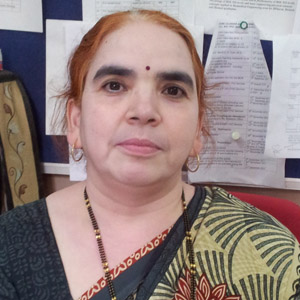
Her role extended beyond daily office work — she helped organize conferences, accreditation visits, and departmental events. One of her most cherished memories is that of Dr. A. P. J. Abdul Kalam inaugurating the new department building. After retirement, she visited the department and was delighted to see new research facilities — advanced instruments, a plant biology section, and even a greenhouse on the terrace.
All students are good. It is our duty to help them. I am always proud to have been a part of IIT Bombay. I loved the work I did here
- Sukhada Kulkarni
For Sukhada Kulkarni, the department was always more than just a workplace. “I never carried office problems home. I treated the office as another home,” she says. She misses the daily interactions with students, staff, and faculty members, but remains deeply proud of her years at IIT Bombay.
Sukhada Kulkarni’s story is a reminder of the quiet dedication that strengthens institutions and touches generations of students. Her warmth, adaptability, and commitment made the department feel like home for countless people. As BSBE continues to grow, her legacy remains woven into its history — a testament to her service and genuine care.
Memories

Stay connected with us
Stay in touch with us for the latest updates on research, events, and achievements in our department
Follow our social media
✉ newsletter@nullbio.iitb.ac.in
𝕏 @BsbeIitb
🔗 Department of Biosciences and Bioengineering, IIT Bombay
▶ @bsbeiitb
🌐 https://www.bio.iitb.ac.in/
Narayan Punekar: nsp@nulliitb.ac.in
Suresh Devasahayam: suresh@nulltookay.xyz
Ram Puniyani: ram.puniyani@nullgmail.com
V.V. Raghavendra Sai: vvrsai@nulliitm.ac.in
Ronak Patel: ronakypatel@nullgmail.com
Sukhada Kulkarni: sckulkarni303@nulliitb.ac.in