BSBE Newsletter
From the Editorial Team
We are doing curriculum revision for the Master’s programs, and working on potential undergraduate programs. We would love to hear back from our alumni on their academic experiences. Please take a moment to fill out the feedback form at the link below. Your insights will help us strengthen our academic program and better support future students.
------------------
Anjali Raghunathan
Swati Patankar
Debjani Paul

Faculty Focus: Prof. Rohit Manchanda
Rohit Manchanda: A Life in Signals, Models, and Quiet Corners
Prof. Manchanda’s interest in computational neurophysiology began as an undergraduate, drawn to how nerve and muscle cells generate electrical signals. Even during his PhD in pharmacology, he gravitated toward studying autonomic neurons and smooth muscle. When he joined IIT Bombay, this fascination deepened. Coming from purely life-science environments, he found the engineering ecosystem here transformative — exposing him to mathematical and computational thinking, and offering completely new ways to approach long-standing physiological questions.Some of his most memorable research moments came from pairing experiments with computational models. Novel electrical signals recorded from vas deferens smooth muscle — unlike anything reported before — became puzzles that modelling helped unravel. Similar studies on urinary bladder smooth muscle were equally satisfying, as unexpected observations gradually made sense when examined through both physiological recordings and simulations.
A major shift in his work came with compartmental modeling. Unlike traditional analytical approaches that become unwieldy with biological complexity, compartmental models break cells down into simpler units governed by one-dimensional equations. Tools like NEURON and GENESIS handle the numerical heavy lifting, letting researchers focus on building realistic neuron and muscle models and running virtual experiments that wet labs can’t yet achieve. He believes the future of medical engineering lies in integrative, systems-level work. Disorders such as urinary incontinence — common, distressing, and increasingly prevalent — remain poorly understood because fundamental organ-level physiology is underexplored.
Addressing such challenges requires a multi-pronged approach involving physiology, biophysics, engineering, mathematics and computation — a blend he finds both essential and intellectually stimulating. Teaching is another source of reward. He describes the spark of curiosity in students — their varied strengths and sharp questions — as a continual stimulus that shapes his own teaching.
“One gets a great high when asked a tricky question and can answer it on one’s feet, ” he adds. Books have been an important influence as well. Bernard Katz’s Nerve, Muscle and Synapse remains his enduring favourite for its clarity and depth.”
Many of his favourite quiet corners on campus have disappeared — the forest trail behind Hostel 5, and the secluded valley with a small temple on the other side of the hill — but he recalls them as places of rare serenity. The Central Library, he adds, continues to offer unmatched calm, a dependable refuge for reflection and clear thinking. What has stayed with him most strongly, however, is the intellectual atmosphere that emerges when curiosity is shared — whether in the lab, a classroom, or a quiet corridor after a seminar. Those moments, he reflects, often spark ideas that grow into experiments, models, or simply new ways of seeing a familiar problem.

Faculty Focus: Prof. Swapnil Shinde
Swapnil Shinde: Tales of Tiny Cellular Signaling Antennas
Cilia are hair-like structures found in nearly every cell, functioning as signaling antennas that detect external stimuli such as light, odors, and developmental cues. These minute organelles enable cells to communicate with their environment by initiating internal signaling pathways. Malfunctions of cilia can result in various genetic disorders collectively referred to as ciliopathies. Research conducted by Prof. Swapnil Shinde at IIT Bombay investigates the impact of signalling within cilia on development and examines how their dysfunction can contribute to disease.His interest in this field was sparked by the link between developmental biology and environmental exposure. The famous case of cyclopia in sheep in Idaho during the 1950s — in which a compound from corn lilies disrupted Hedgehog signaling—showed how minor molecular changes could significantly impact development. Likewise, in India, the endosulfan tragedy, where exposure caused congenital and reproductive abnormalities, illustrated how environmental toxins could interfere with the same pathway. These incidents inspired Prof. Shinde to investigate the ways molecules affect Hedgehog signaling and cilia function.
In his laboratory, Prof. Shinde investigates how different signaling receptors and molecules are transported in and out of the cilium to achieve precise signaling outcomes. Using molecular biology and cloning methods, his team develops various molecular tools to track these molecular movements and analyze how protein-protein interactions sustain ciliary and overall cellular homeostasis. His research seeks to elucidate the molecular mechanisms underlying developmental defects and to enhance our understanding of genetic disorders.
Prof. Shinde has a deep passion for teaching. His wife, who studied pedagogy at the University of California, San Francisco during his early academic years, offered advice that influenced his teaching approach. He designs his lectures based on his own learning preferences — incorporating animations, schematic diagrams, and interactive elements. Prof. Shinde believes research should be fueled by passion and perseverance. In the lab, he stresses that students should work for their own growth, fostering intrinsic motivation, curiosity, and the freedom to fail without fear.
Joining IIT Bombay and receiving recognition for his work were among his most rewarding accomplishments. He claims that if he had not become a scientist, he might have pursued a career in civil service. Outside of his professional life, he enjoys watching comedy shows, spending quality time with his family, and occasionally playing cricket or volleyball.
Prof. Shinde credits his PhD advisor, wife, and senior colleagues for guiding his academic journey. While acknowledging the rise of AI, he remains grounded in his strengths as an experimental biologist, believing technology should aid—not overshadow—science. His goal remains simple: to pursue curiosity-driven research.
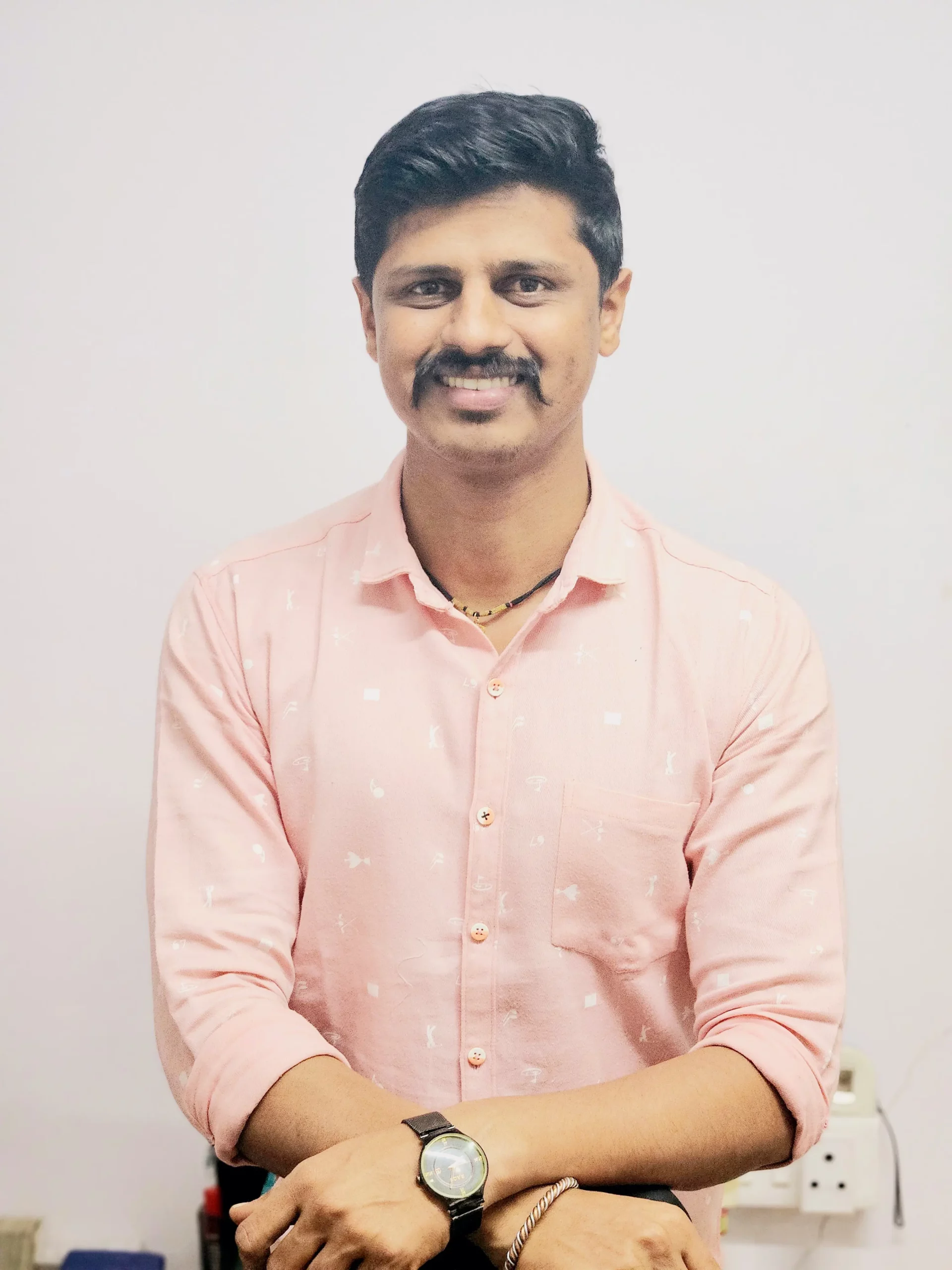
Student Spotlight: Dr. Sandesh Papade
Cleaning the Soil, Boosting Crops: Sandesh Papade’s Bacterial Breakthrough
For Dr. Sandesh Papade, farm fields are more than a workplace—they’re the source of scientific inspiration and innovation. Growing up as a farmer in Junnar near Pune, Sandesh always sought ways to merge microbiology and agriculture, aiming to make farming safer and more productive for everyone, from humans to fish, plants, and the wider ecosystem.While pursuing his PhD in Prof. Prashant Phale’s lab at IIT Bombay, Sandesh tackled a pressing issue: the buildup of crop residues and chemical pesticides in soil, which often make their way through the food chain to our plates. Realizing that single-organism solutions just aren’t enough for this multi-component problem, he created a multi-organism “cocktail”—a consortium of five beneficial bacteria, including strains like Pseudomonas, Acetobacter, and Cupriavidus, naturally isolated from contaminated soils and plant roots.
This innovative bacterial concoction delivers three major benefits. First, it breaks down toxic compounds in pesticide-polluted soil, making it safer for crops and the environment. Second, it boosts plant growth by providing natural hormones and nutrients, reducing farmers’ dependency on synthetic fertilizers. Third, it acts as a biocontrol agent, suppressing harmful fungi, such as phytopathogenic species, and keeping crop diseases at bay.
Sandesh’s journey from lab to field was hands-on and persistent. He started with lab tests—in vitro, then small pots and cups — followed by larger-scale field trials on crops like mung, wheat, spinach, and amaranth. Whether in controlled or open environments, and even in highly toxic soils tainted by chemicals like 24D, his “cocktail” consistently reduced toxicity and enhanced plant growth.
During the COVID lockdowns, Sandesh experimented on his own farm, collecting pesticide-contaminated soil, isolating bacteria capable of degrading toxic residues. One of the key strains, Cupriavidus, was specifically isolated by Sandesh himself from his own farmland.
The resulting bioformulation has now moved towards commercialization, with a patent filed for IP protection of the developed bioformulation (bacterial mix with carrier material). Sandesh is driven to make the product affordable and scalable for India’s small farmers, particularly those without greenhouses or polyhouses. He envisions long-term storage, larger volumes—from grams to quintals—and even liquid bioformulation for modern drip irrigation systems.
As climate change looms and the need for sustainable practices grows, Sandesh’s work is paving the way for cleaner soil, healthier crops, and a brighter future for Indian agriculture.
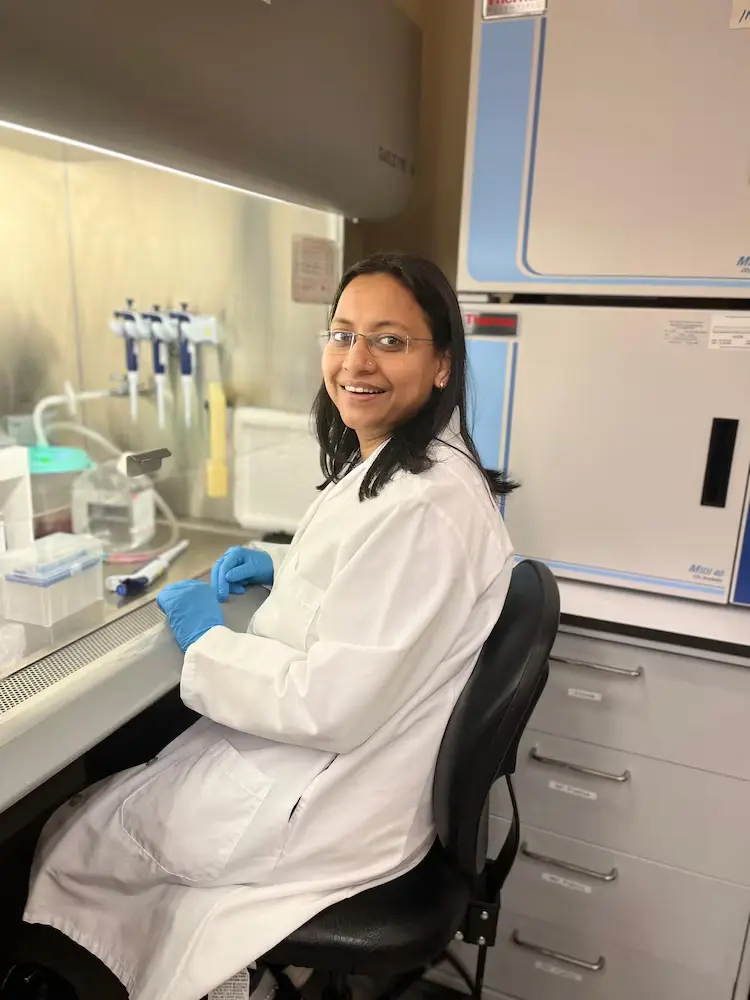
Alumni Anecdotes: Dr. Alka Dwivedi
From the Research Corridors of IIT Bombay to the Labs of NCI: Alka Dwivedi’s journey
Dr. Alka Dwivedi’s journey has been one marked by perseverance, resilience, and a passion for translational science. Since August 2021, she has been a Postdoctoral Fellow in the Pediatric Oncology Branch at NCI, working under Prof. Naomi Taylor and Dr. Nirali Shah, both eminent names in cancer research.At NCI, Alka is pioneering work in CAR-T cell therapy, focusing on acute myeloid leukemia (AML) and B-cell leukemia. Unlike conventional autologous therapies that rely on a patient’s own T cells—often rendered dysfunctional after multiple chemotherapy and radiation treatments—her research explores allogeneic or “off-the-shelf” CAR-T therapies derived from healthy donors. Her team aims to make this breakthrough therapy more accessible to patients worldwide.
When asked about how she joined Prof. Purwar’s lab, she said she had always been interested in immunology. She wanted to pursue research that would directly benefit the patients. So, when Prof. Purwar proposed a project aligned with patient benefit, she was eager to join. She emphasized that she always wanted her research to be translational.
In the initial stages of her PhD, for the first three annual progress seminars (APS), all she had to report were negative results—such as T cells not growing and other unsuccessful attempts. It was only in the fourth APS that she was finally able to present positive results. She recalled that one of the lab members even advised her to consider a different research area, but instead of losing hope, she took this as a challenge. She added that all of it was possible because of Prof. Purwar’s vision, and she considered herself “just a hand” in executing it.
She also shared some of the struggles during her PhD days. For experiments, she had to bring mice from ACTREC in Kharghar and often worked in less-than-ideal conditions, as clean facilities were occupied. When the imaging facility at ACTREC was nonfunctional, she had to travel to Parel for alternatives—commuting frequently between IIT, ACTREC, and Parel. In contrast, at NIH, she now has access to an animal facility located in the basement, where she can perform all her required tests efficiently.
On being listed among TIME100’s emerging leaders and honored by the President of India, she calls it a moment of pride for not just herself but for the entire team that stood behind her scientific journey. Her pursuit of impactful, patient-centric science helped lay the foundation for ImmunoACT, a biotech startup from IIT Bombay translating CAR-T cell research into clinical impact in India.
While acknowledging the differences in research ecosystems between India and the US, she emphasizes how Indian startups are bridging these gaps. “The science we do here can surely be replicated in India. The efficiency will take time, but the vision is clear” she asserts.

Alumni Anecdotes: Dr. Amrutraj Zade
From Phages to Founding a Genomics Startup: The Journey of Amrutraj Zade
When Dr. Amrutraj Tulshidas Zade joined Prof. Kiran Kondabagil’s lab at IIT Bombay, he didn’t imagine that his curiosity about viruses would eventually lead him into the world of clinical genomics and entrepreneurship. What began as basic research slowly turned into an idea that now drives a growing healthcare startup.Amrutraj’s interest in viruses started during his Master’s dissertation at Gulbarga University, where he worked on bacteriophages — viruses that infect bacteria. At IIT Bombay, he shifted his focus to giant viruses like Mimivirus, unusual because of their huge genomes and unexpected complexity. During his PhD, he discovered that these viruses carry a functional Rab GTPase, a protein normally associated with eukaryotic cells. This finding hinted that giant viruses might be using — or imitating — host-cell machinery to set up “viral factories, ” the compartments where they replicate.
Thus was born HaystackAnalytics, a company that combines genomic science with scalable software solutions. Their first product, ΩTBTM (Omega TB), delivers complete 18-drug susceptibility results within 15 days — a significant leap from the conventional 60-day process. Their next innovation, infexnTM-NGS, can identify bacterial, fungal, and viral infections within 24 hours, directly from patient samples — bypassing the need for time-consuming cultures and panels. Recently, they have also launched genome-based wellness testing - identifi, offering individuals insights into genetic predispositions for lifestyle and metabolic conditions.
With over 15 operational centers across India and partnerships with hospitals like JJ, NIMS, and Max, HaystackAnalytics has grown from a lab idea to a healthcare disruptor. “Our aim was to bring precision medicine to the bedside,” says Amrutraj. “We built not only the assays but also the software — ensuring results are consistent, reproducible, and clinically meaningful.”
From decoding viral genomes to human health, Amrutraj’s story is a testament to how curiosity in the lab can evolve into innovation that impacts society at scale.
Startup Stories

WildTech DNA
Co-Founder: Dr. Rahul Chaudhari
Breakthrough wildlife forensics and conservation technology using molecular biology and rapid DNA identification. Known for creating fast, field-ready wildlife DNA detection tools.

Butterfly Learnings
Co-Founder: Dr. Abhishek Sen
A digital therapeutic startup offering personalized therapy and developmental support for children. Used widely by parents and clinicians across India.

Medprime Healthcare
Co-Founder: Samrat
Innovative point-of-care diagnostics focused on making healthcare affordable and accessible. Creators of MIST, India's first digital microscopy-as-a-service platform.
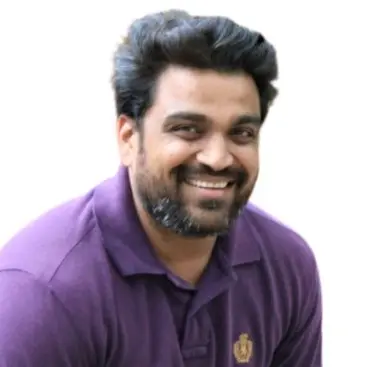
Startup Stories: Dr. Rahul Chaudhari
From Lab Bench to Startup Bench: The Journey of Rahul Chaudhari
When Dr. Rahul Chaudhari decided to pursue research, he was clear about one thing — he wanted to see science in action. “I was always fascinated with research, ” he recalls, “but I was more drawn to applicative science — something that translates into products with real-world use. ” This drive eventually led him to the entrepreneurial world, where he now serves as Co-Founder and CTO of WildTechDNA, a Canada-based startup working at the intersection of biodiversity conservation and human health diagnostics.Reflecting on his IIT Bombay days, Rahul credits his time at Prof. Swati Patankar’s lab for nurturing flexibility and problem-solving skills vital to startup life. “Swati trained us to adapt quickly and think independently — qualities that perfectly translate to entrepreneurship, ” he notes. The hands-on lab culture and freedom to experiment shaped his approach to research and innovation.
Rahul’s first brush with startups began with opportunities at NCL Innovation Park and SINE, IIT Bombay’s incubation center, where his early venture received strong support and mentorship. “Dr. Poyni Bhatt and the SINE team were instrumental during the formative years, ” he says. His experiences in India’s startup ecosystem prepared him to later expand globally through WildTechDNA.
Comparing his entrepreneurial experiences in India and Canada, Rahul points to the early-stage funding and clear regulatory frameworks as Canada’s strengths, while India’s large market and cost-effective operations make it a fertile ground for future biotech ventures. He believes India is rapidly catching up and will soon rival Western ecosystems in fostering science-based innovation.
For aspiring scientists, his message is grounded and practical: “In startups, science is only 30–40% of the journey. The rest is understanding markets, customers, and adaptability. Don’t be married to your idea — be ready to pivot overnight. ” His words capture the spirit of a new generation of BSBE innovators who see science not just as discovery, but as design of solutions, systems, and sustainable futures.
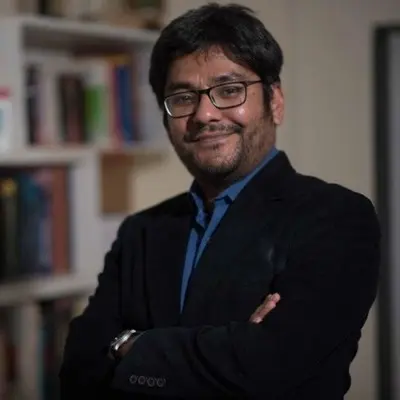
Startup Stories: Dr. Abhishek Sen
From Biosense to Butterfly Learnings: Abhishek Sen’s Journey of Building Technology for Therapy
Dr. Abhishek Sen, a medical graduate with a passion for technology, began his entrepreneurial journey even before joining IIT Bombay. Curious about how engineering tools could enhance medical practice, he worked with PerkinElmer on point-of-care diagnostics for three years before pursuing his master’s degree at IIT Bombay. His time at the BSBE broadened his perspective on how technology and biology could merge to solve India’s pressing healthcare challenges.At Butterfly Learnings, therapy centers are designed like schools rather than clinics to make children comfortable. The platform digitizes all therapy sessions, creating India’s largest longitudinal database of pediatric neurodevelopmental data. This data-driven approach allows therapy to be personalized, measurable, and continuously improved.
One of the company’s most innovative efforts involves eye-tracking technology, licensed from the University of California, San Diego, to detect early signs of autism as young as 12 months, along with research into blood biomarkers. The goal is to make therapy not only accessible but scientifically benchmarked and objective.
Abhishek credits BSBE for shaping his interdisciplinary mindset. “BSBE helped me connect medicine with engineering and think about real-world applications, ” he says.
Currently, Butterfly Learnings operates across major Tier I and Tier II cities with a team of over 600 professionals. The next step, Abhishek says, is to establish an academy to train therapists and ensure consistent quality of care. Reflecting on his journey, he credits IIT Bombay and BSBE for nurturing his drive to blend medicine with technology and to create solutions with real-world impact.
“India is entering its golden phase for innovation, ” Abhishek says. “The market, capital, and talent are all here. We should build solutions in India, for India — and make a difference where it matters most.”
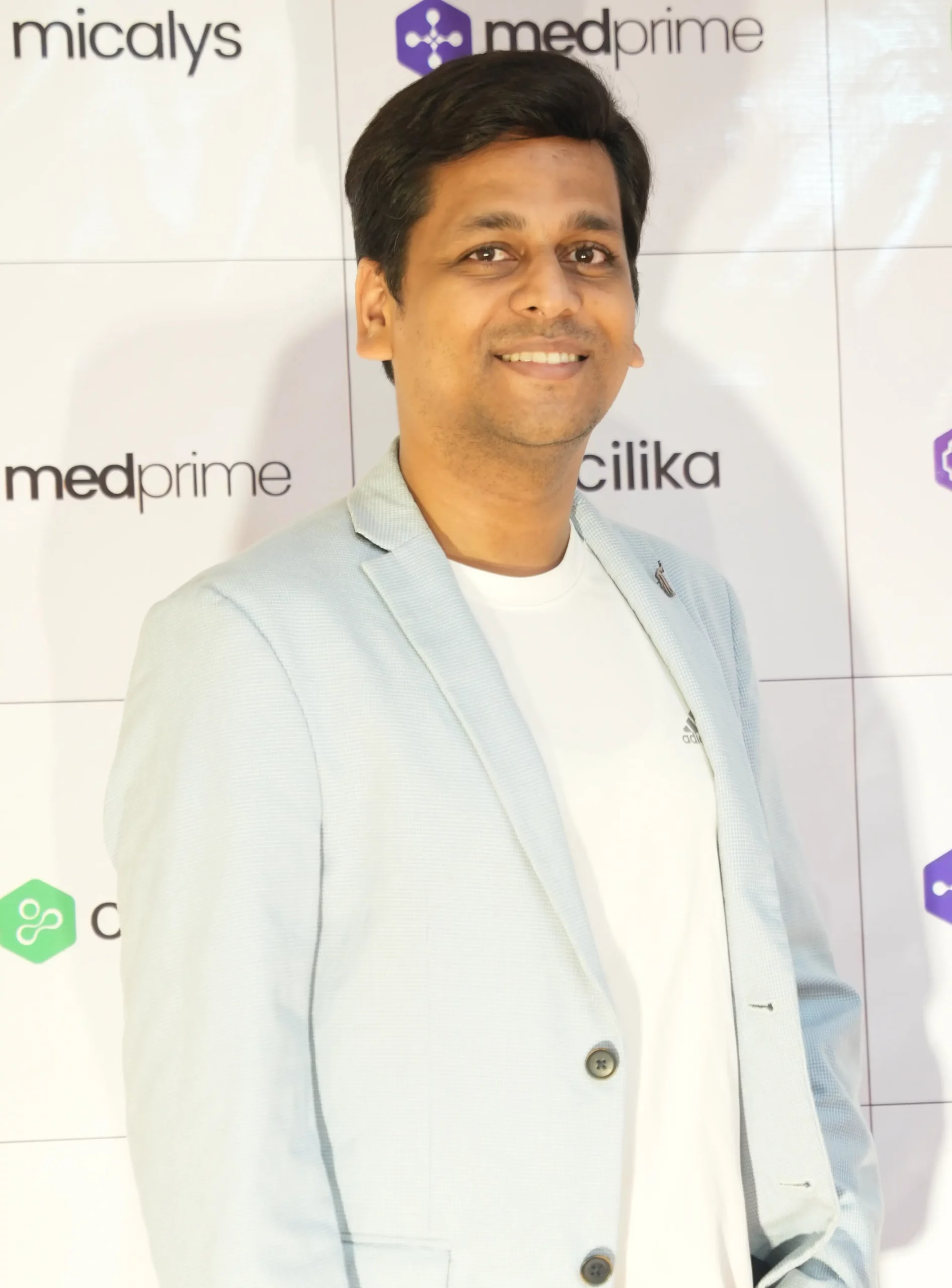
Startup Stories: Samrat
MedPrime Technologies: Bridging Innovation and Healthcare by Samrat
For Samrat, Co-founder of MedPrime Technologies, innovation was never just about invention — it was about solving real problems in healthcare. His entrepreneurial spark ignited at BSBE, where he discovered how engineering and biology could blend to create meaningful technology for India. The department’s open culture, mentorship, and hands-on research atmosphere gave him the foundation to turn curiosity into impact.MedPrime Technologies started in 2014 with a small team that simply wanted to close the gap between lab research and real-world clinical needs. In the early days, one of the toughest hurdles was getting doctors to move from familiar manual microscopes to digital imaging. It wasn’t just about building the tech — it was about earning their trust and showing that the new system could genuinely make their work easier and more reliable. Through years of refinement, MedPrime engineered Cilika to provide real-time imaging without lag, a full-field view comparable to the eyepiece, and the convenience of smartphone integration for easy sharing and documentation.
Samrat’s years at BSBE shaped how MedPrime thinks and builds — with solid science on one side and practical engineering on the other. The department’s interdisciplinary culture taught him that real innovation happens when science, technology, and society meet. That’s why MedPrime still works hand-in-hand with researchers and clinicians to make sure its devices actually solve day-to-day diagnostic problems.
For the future, Samrat sees AI and digital pathology transforming the way healthcare looks at samples and diseases. MedPrime is already working on AI-based blood smear analysis and fully automated microscopes that can bring reliable diagnostics to places that do not have access today. “Digitization is the way forward, ” Samrat says. “Our goal is to make world-class diagnostic tools accessible to everyone — a vision that began at BSBE and continues to grow from there.”
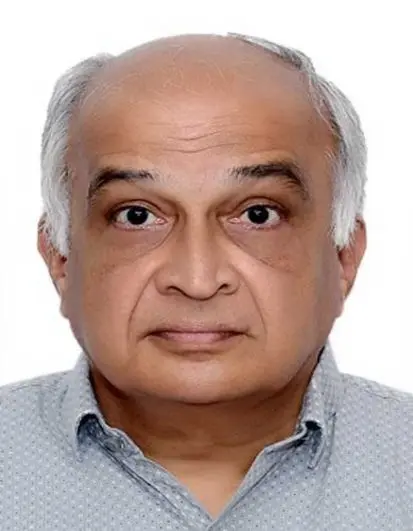
Visiting Perspectives: Dr. Jayant Udgaonkar
Folding the Mysteries of Life: Jayant Udgaonkar on Protein Dynamics and Discovery
Known for his pioneering contributions to understanding how proteins fold, unfold, and misfold, Prof. Jayant B. Udgaonkar has spent over three decades exploring one of biology’s most fundamental processes. Currently an Emeritus Professor at IISER Pune and a Visiting Faculty member at BSBE, IIT Bombay, he continues to inspire generations of researchers through his deep scientific insight and clarity of thought.Prof. Udgaonkar’s fascination with protein folding began during his PhD and postdoctoral research, where he explored how molecular chains self-assemble into functional forms—or misfold to cause disease. At TIFR, he and Prof. G. Krishnamurthy used spectroscopy tools like NMR and time-resolved fluorescence to track these transformations in real-time. In the early 1990s, he played a key role in establishing the National Centre for Biological Sciences (NCBS) in Bengaluru, envisioned by Obaid Siddiqi to expand TIFR’s biology research.
At NCBS, his group explored whether proteins follow single or multiple folding pathways. They demonstrated that proteins can indeed take multiple routes and pass through transient “molten” intermediates that reveal how folding succeeds or fails. Using model proteins such as barstar, monellin, and tau, his team provided insights into the fine balance between structural stability and aggregation — knowledge central to understanding disorders like Alzheimer’s and prion diseases.
Now at IISER Pune, where he served as Director from 2017 to 2023, Prof. Udgaonkar continues to investigate protein folding and misfolding using advanced biophysical techniques, like hydrogen exchange–mass spectrometry and FRET. At IIT Bombay’s BSBE department, he collaborates with faculty such as Prof. Samir Maji, Prof. Ranjith Padinhateeri, Prof. Roop Mallik and Prof. Ashutosh Kumar, appreciating the department’s open, interdisciplinary culture and its curious students. “Do work that genuinely interests you,” he advises young scientists. “You may not always understand your system completely, but pursuing meaningful questions is the surest way to discovery.”
Whether at NCBS, IISER, or BSBE, Prof. Udgaonkar’s legacy lies not only in uncovering how proteins find their form, but in inspiring generations to think deeply, question boldly, and keep unfolding the mysteries of life — one molecule at a time.
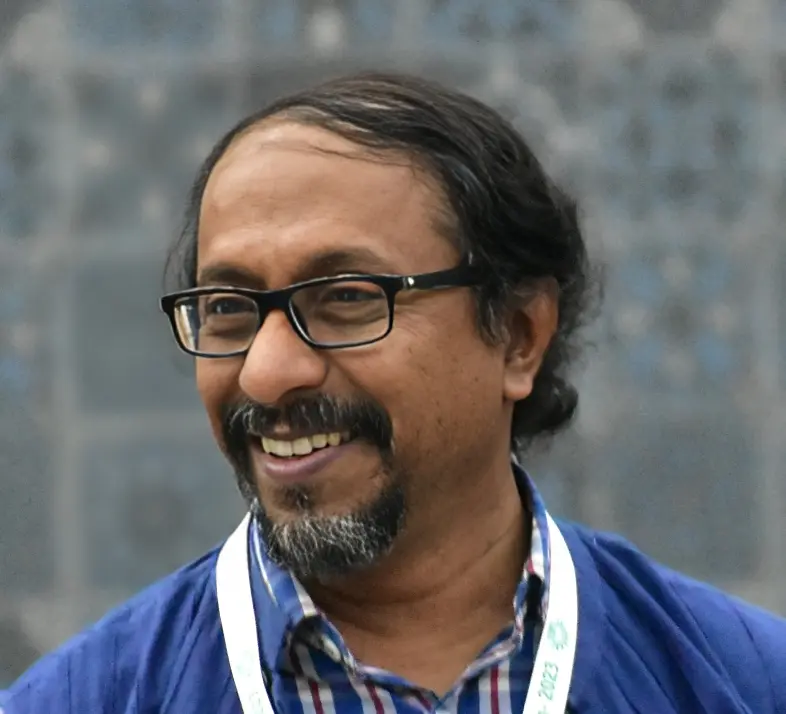
Visiting Perspectives: Dr. Tapas Kumar Kundu
Epigenetics, Expression, and Exploration: Tapas Kumar Kundu on the Science of Regulation and Inspiration
Known for his pioneering work in epigenetics and gene regulation, Dr. Tapas Kumar Kundu has spent over three decades unraveling how chromatin structure and chemical modifications influence the expression of genes—and how these insights can shape future therapeutics. A former Director of the CSIR–Central Drug Research Institute (CDRI), Lucknow, and Professor at JNCASR, Bengaluru, Dr. Kundu currently serves as a Visiting Faculty at BSBE.Dr. Kundu began his research career during a pivotal era for biology, as the field of epigenetics was being revived. “The first histone acetyltransferase, GCN5, was discovered—and I began thinking about how chromatin controls gene expression,” he recalls. With a strong base in chemistry and molecular biology, he founded his lab at JNCASR in 1999 to study transcriptional regulation in chromatin. He later identified small-molecule modulators of epigenetic enzymes, some now commercially available and explored as next-generation therapeutics. As Director of CDRI since 2018, he expanded the institute’s focus, creating new divisions in Cancer Biology, Ageing & Neuroscience, and Virus Research, and established a Pharmacovigilance Centre. He led national programs, like the Pan-CSIR Cancer Research initiative, and filed five Investigational New Drug applications, including the anti-COVID compound umifenovir, which reached Phase III trials.
At IIT Bombay, Dr. Kundu discovered an interdisciplinary environment that reflected his scientific vision. He describes BSBE as a space where mechanobiology, cancer biology, epigenetics, and theoretical modeling converge. His lectures on epigenetics and its role in disease and drug discovery were well received, especially his insights on social epigenomics—how experiences, nutrition, and mental health can leave heritable molecular marks across generations.
An advocate of collaboration, Dr. Kundu believes that no single lab can answer all questions. At BSBE, he interacted with chemists, structural biologists, and biophysicists—building bridges across disciplines. He notes the department’s strengths in mechanobiology, AI-based chromatin modelling, cryo-EM, and NMR structural biology, and envisions exciting opportunities in biotherapeutics through partnerships with the Chemistry Department. “IIT Bombay’s interdisciplinary spirit is unmatched. It allows theory and experiment to meet in the most creative ways,” he adds.
As a mentor, Dr. Kundu keeps his door open —literally. He continues to guide young researchers across India, many of whom now lead their own labs. Outside the lab, he is an ardent music lover and flautist, and a keen admirer of art—from Nandalal Bose to Van Gogh. “Art and music expand a scientist’s vision,” he says. “They teach us to see patterns and emotions behind structures.”
Looking ahead, Dr. Kundu envisions epigenetics advancing through three fronts — therapeutic targeting, lifestyle-based prevention, and early diagnostic tools - emphasizing that it is vision, not resources, that defines progress today.
Honoring Rinti Banerjee with a Visiting Chair Professorship
Honoring a Legacy of Translational Healthcare Innovation
In October 2022, IIT Bombay established a meaningful initiative in memory of an inspiring faculty member, the late Prof. Rinti Banerjee. Through a Memorandum of Understanding signed with Dr. Bhagwati Prasad (alumnus and husband of Prof. Rinti Banerjee), Ms. Rekha Koita (Distinguished Service Awardee and Co-Founder of the Koita Foundation), and the IITB Heritage Foundation, the Dr. Rinti Banerjee Visiting Chair Professorship was created to celebrate and continue her remarkable legacy.Prof. Rinti Banerjee— former Head of BSBE, an outstanding translational researcher, and one of the rare faculty members with an MBBS degree—was known for bridging medicine and engineering with exceptional clarity and impact. An alumna of our department (Ph.D. Biomedical Engineering, 2000), she dedicated her career to developing affordable and accessible healthcare solutions, as well as inspiring interdisciplinary collaboration.
An internationally recognized expert in smart biomaterials, nanomedicine, and drug delivery, she published over 100 research articles and editorials, and served on the editorial boards of several leading journals. She received numerous prestigious awards, including the CDRI Award for Excellence in Drug Research (2015), NASI–Reliance Industries Platinum Jubilee Award (2014), National Award for Women Bioscientists (2011), and the Indo-US Frontiers of Engineering Award (2010).
A two-time recipient of both the Bill & Melinda Gates Foundation Grand Challenges Exploration grant and the Samsung Global Research Outreach program, her multidisciplinary research led to several patented technologies in nanomedicine, drug delivery, and healthcare applications.
The Visiting Chair has been envisioned to bring leading women medical researchers, clinicians, industry experts, and innovators to our department, strengthening the ecosystem of translational research. Women with an MBBS degree and an exemplary record in healthcare will be invited to guide multidisciplinary teams, foster collaborations, and contribute to work that directly benefits society—reflecting the principles Prof. Banerjee championed throughout her career.
We are grateful to Dr. Bhagwati Prasad, Ms. Rekha Koita, our alumni, and all well-wishers whose support has made this Chair a reality. Their generosity ensures that Prof. Rinti Banerjee’s pioneering spirit continues to shape our department’s vision and inspire future generations.

Visiting Perspectives: Dr. Monica Lakhanpaul
Dr. Rinti Banerjee Visiting Chair Professor: Monica Lakhanpaul
Prof. Monica Lakhanpaul is the first Dr. Rinti Banerjee Visiting Chair Professor. Prof. Lakhanpaul’s journey seamlessly blends medicine, research, and compassion. A practising clinician in the UK and a globally recognized researcher, she focuses on improving children’s health and well-being worldwide. “Children everywhere are the same—their needs for good food, clean environments, and nurturing care are universal,” she says. Her Panchsheel Project in India united engineers, doctors, and community workers to tackle malnutrition through locally driven initiatives. At the same time, her UK-based NEON project explored feeding practices among South Asian families, shaping her holistic frameworks— HEEE (Health, Education, Engineering, Environment) and SHE (Safety, Health, Education)—that emphasize empowerment and early-life well-being. A proud British- Indian, she believes her heritage strengthens her cross-cultural collaborations: “Understanding context and mutual respect are crucial. Partnerships should be built on friendship and openness, with one shared goal—to make a difference.”On gender, she acknowledges challenges: “People sometimes question your passion just because you are a woman. But if women don’t advocate for women, who will?” Her philosophy is grounded in empathy and humility. “Listening to children and their families is the most meaningful part of my work,” she adds. “You must be inquisitive, willing to learn, and never let ego get in the way.”
She shared that she considers her Visiting Chair Professorship at IIT Bombay a great honor, especially as it is established in the name of Prof. Rinti Banerjee, whose pioneering work continues to inspire many. She expressed a deep sense of responsibility to do justice to this role and to contribute meaningfully to the department’s vision.
Prof. Lakhanpaul emphasizes that impactful research must be built on community partnership, with patients and the public actively shaping how science translates into real-world benefit.
At IIT Bombay, she aims to strengthen this approach through collaboration and co-creation, calling it a “two-way learning process.” Her focus lies in developing inclusive health technologies, citing the COVID-19 crisis, where many Black and South Asian people were misdiagnosed due to pulse oximeters not calibrated for darker skin tones.
A defining moment came when her six-week-old son suffered from whooping cough — an experience that inspired her to support other mothers. Her students now study the living conditions of asylum seekers in the UK, extending her mission to help marginalized communities. Outside work, she enjoys traveling and dancing, and dreams of a child-led community research festival. Inspired by her parents’ values and the film Mrs. Chatterjee vs Norway, she now leads a culturally sensitive parental program backed by the UK government. “At the end of the day,” she says, “you should go to sleep knowing you’ve done something good—and wake up wanting to do more.“
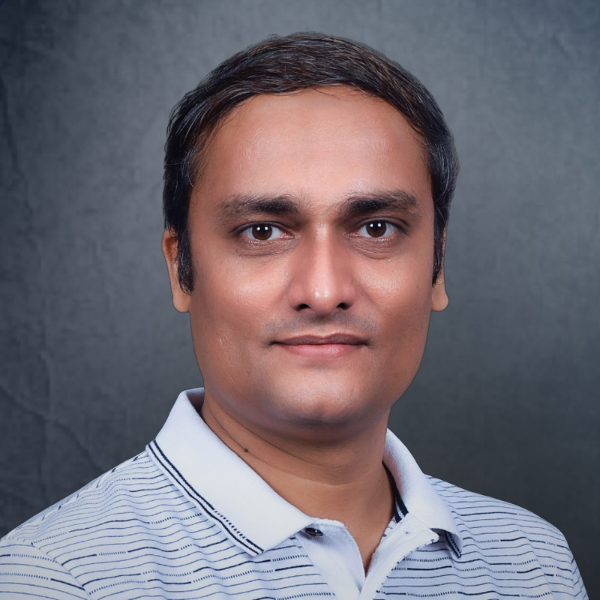
Staff Special: Mr. Maheshwar Naithani
From Networks to Systems: The Journey of Maheshwar Naithani
When Maheshwar Naithani joined the department in August 2006, he was stepping into a world of high-end research computing and academic systems that were still evolving. With the mentorship of Prof. Balaji, he quickly found his footing, learning to manage the department’s servers, website, and digital backbone—the very infrastructure that would later grow into the department’s lifeline.Over time, his role as Technical Superintendent (System Administrator) expanded far beyond maintaining systems. He became an integral part of the department’s administrative and academic workflow — handling PhD admissions, timetable coordination, data generation for institutional reports, and even conducting sessions to train students in Linux and research software installations. His adaptability and problem-solving mindset have made him the “go-to person” whenever technology stands between a student and their research.
Reflecting on his nearly two-decade journey, Maheshwar notes the department’s remarkable transition to complete digitalization. From manual processes to advanced tools like ASC portals, online meetings, plagiarism checks, and automated data systems, BSBE’s operations today are built on the very systems he helped implement and maintain. His training at ASCI Hyderabad in Data Management for Administration further refined his use of Excel, PivotTables, and Lookup functions, enhancing how the department processes vast datasets for reports, grants, and admissions.
What drives him is the satisfaction of solving a technical challenge that enables someone else’s success. Guided by the values of service excellence, continuous learning, and integrity, he embodies the quiet efficiency that keeps BSBE’s complex academic and technical ecosystem running smoothly.
Outside work, Maheshwar enjoys simple routines that keep him connected and grounded. He has always loved playing table tennis and cricket, the latter of which he used to play regularly before life got busier. These days, most of his free time goes into being there for his two children. He also naturally gravitates toward helping people understand things, whether it’s a small technical doubt or a quick explanation, something that has stayed with him over the years.
To younger technical staff, his advice is simple yet profound — “Always say yes to learning, stay positive, and be dependable.” In a department that thrives on collaboration and cross-disciplinary innovation, Maheshwar’s journey stands as a reflection of how dedication and adaptability power not just systems — but an entire community.
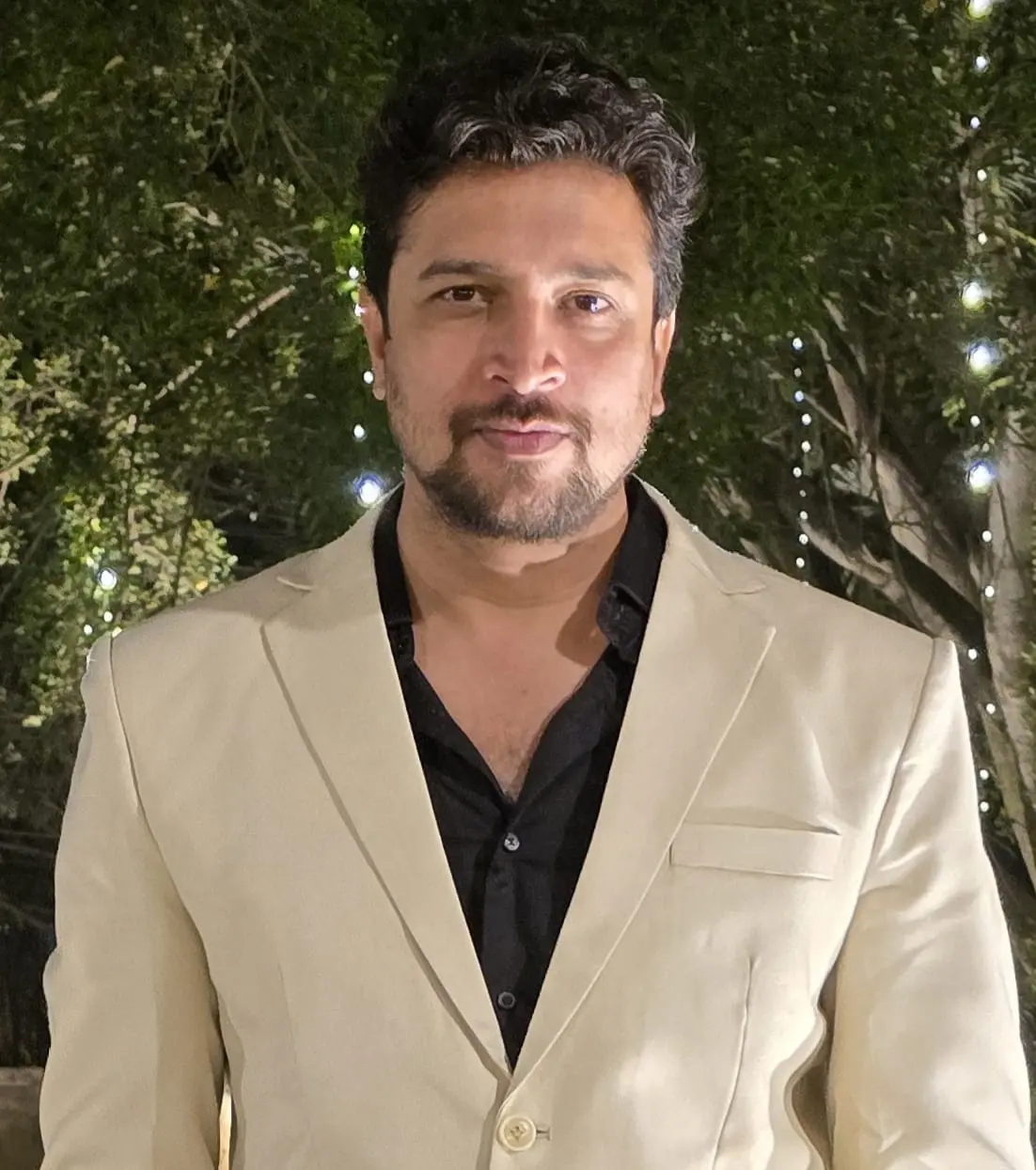
Staff Special: Mr. Ashish Dubey
Keeping BSBE Connected: The Journey of Ashish Dubey
For Ashish Dubey, the journey at BSBE began over 11 years ago — a computer science engineer drawn to the idea of using technology to support research and learning. What started as a technical role managing servers and networks soon grew into a multidimensional responsibility that blends IT expertise, problem-solving, and people skills.As a System Administrator, no two days are the same for Ashish. From keeping the Wi-Fi running and the network secure to helping students with tech issues and updating the department website, he makes sure BSBE’s digital systems hum along smoothly. “My day usually starts with checking logs and ends with whatever new problem pops up,” he says.
One memory that stands out is from the lockdown, when he and his colleague, Maheshwar Naithani, managed the department’s online PhD interviews, making sure everything ran smoothly for candidates and faculty. Another is from 2018, when he helped a PhD student recover critical research data just before her thesis defence. “Seeing her relief and happiness made me realize how much our work affects others,” he recalls.
Over the years, Ashish has watched BSBE’s digital landscape change dramatically — from standalone systems to fully integrated online platforms, upgraded security, and cloud-based collaboration tools. His role has grown too, moving beyond basic IT maintenance to managing digital events, web systems, and online communication platforms like Teams and Zoom.
Described by colleagues as approachable and ever-helpful, Ashish attributes his success to patience and empathy. “Listening carefully and responding promptly builds trust,” he says. His guiding principle is simple — stay curious, keep learning, and build good relationships. Teaching has also become a rewarding part of his journey. Taking sessions on Linux basics for students under Prof. Bhaumik’s course, he enjoys bridging the gap between technical systems and academic research.
When not immersed in his work, Ashish enjoys switching to adventure mode. He is passionate about driving and riding, possessing deep knowledge of both cars and bikes, and frequently takes short road trips. Known as the department's Tech guy, he loves researching and comparing the newest gadgets (phones, laptops, TVs, etc.) out of genuine curiosity. He is also an avid movie fan, enjoying films both in the theatre and on OTT platforms.
After ten years at BSBE, Ashish says what he values most is the spirit of teamwork and respect. “Everyone here — faculty, students, and staff — really works together like one big family,” he says. Looking ahead, he hopes IT will keep supporting research and collaboration behind the scenes, quietly keeping BSBE’s work moving forward.
Innovation Hub
Microscopy Facility at BSBE: A Closer Look at Our Imaging Capabilities
The Microscopy Facility at BSBE brings together some of the most advanced and reliable microscopes used in biological research today. Our aim is simple: to help students and researchers see their samples as clearly as possible, whether they are studying whole organisms, individual cells, or tiny structures inside those cells. The facility is designed to support work at many levels, from basic observations to high-resolution and even super-resolution imaging.
One of the most useful systems we have is the Yokogawa CSU-X1 spinning disc confocal microscope. It is excellent for fast and gentle live-cell imaging because it can capture large areas quickly without damaging sensitive samples. Alongside it, the Carl Zeiss LSM 780 laser scanning confocal microscope continues to be one of the most frequently used instruments in the department. It provides sharp optical sections and is ideal for detailed structural studies.
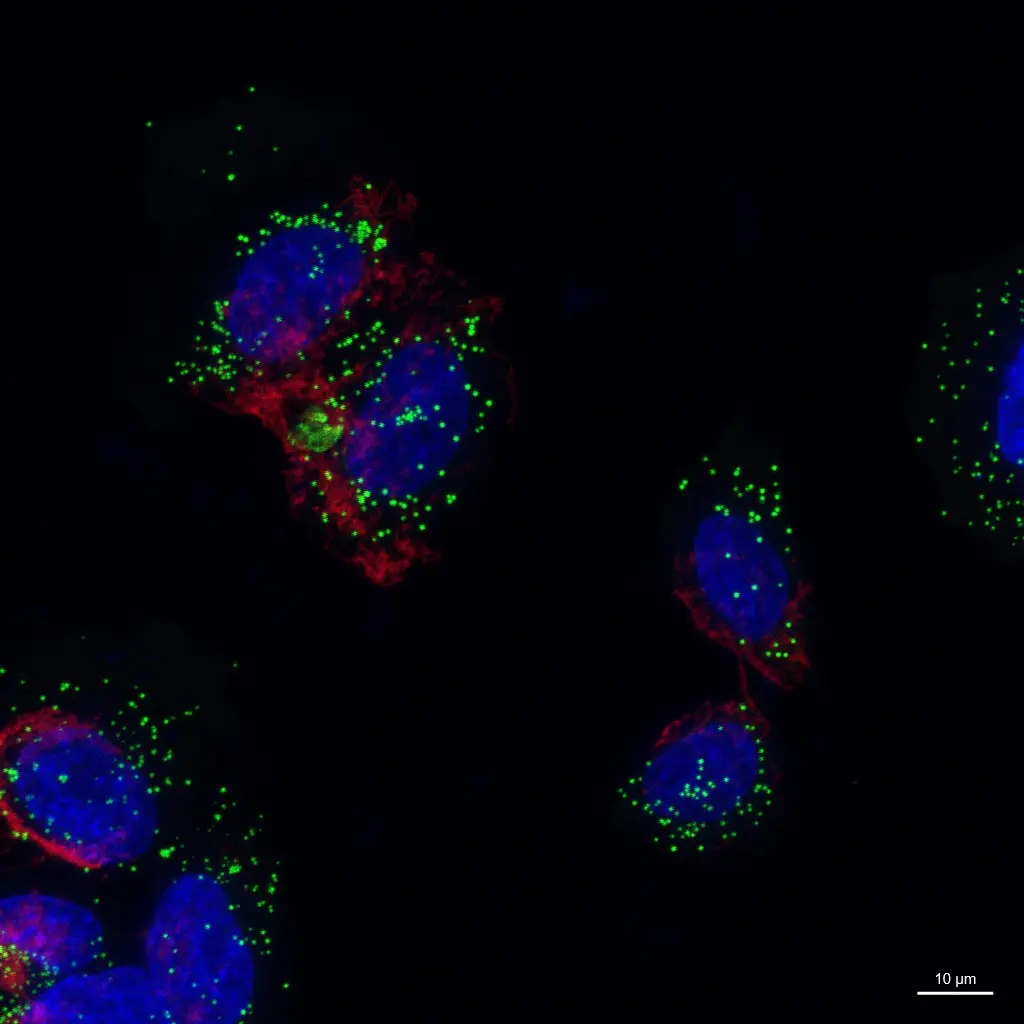
HeLa cells stained with a lipid-droplet-selective dye (Laser Scanning Confocal Microscope)
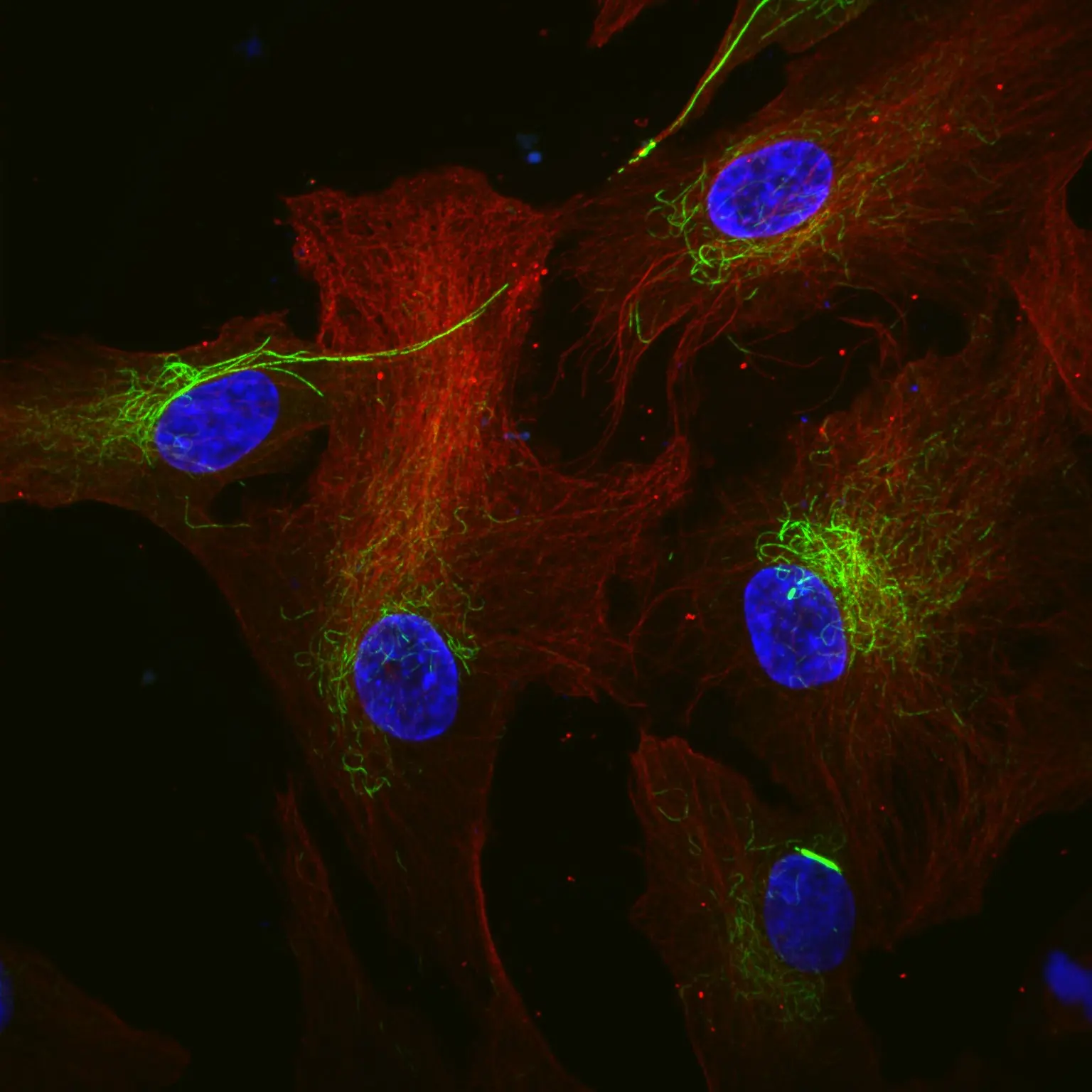
Microtubules stained in a cell line (Super Resolution Confocal Microscope Facility)
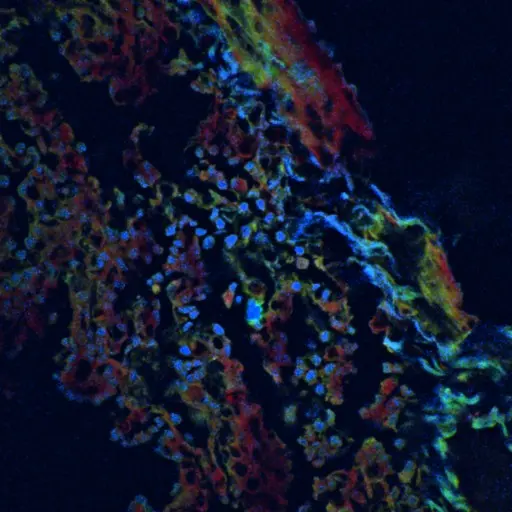
Whole tissue imaging of mouse liver (Super Resolution Confocal Microscope Facility)
For experiments that require going beyond normal resolution limits, we have a set of super-resolution microscopes. The Nikon AXR is a high-end confocal microscope that produces very clear images with better sensitivity. The Visitech VT-iSIM is a type of instant structured illumination microscope that gives higher resolution at faster speeds than standard confocal systems. The Nikon N-STORM is a single-molecule localisation microscope, allowing us to see structures as small as 10–20 nanometres. Having all these super-resolution techniques in one place is rare, and only a few facilities in India offer this range.
One of our most specialised instruments is the 3i Lattice Light Sheet Microscope. It is designed specifically for long-term imaging of living systems using very low laser power. This reduces bleaching and photodamage and allows researchers to follow developmental or behavioral processes over long durations. Very few such microscopes exist in India, and although it requires training and patience to use, it enables experiments that are otherwise extremely difficult.
The facility also includes the MFP-3D BIO Bio-Atomic Force Microscope (Bio-AFM), which measures the mechanical properties of biological samples at the nanoscale. It is especially helpful for studies in mechanobiology, where understanding stiffness, tension, or force within cells and tissues is important. External users can book through the Indian Science Technology and Engineering facilities Map (ISTEM) as the facility continues to evolve toward higher-resolution and large-volume tissue imaging.